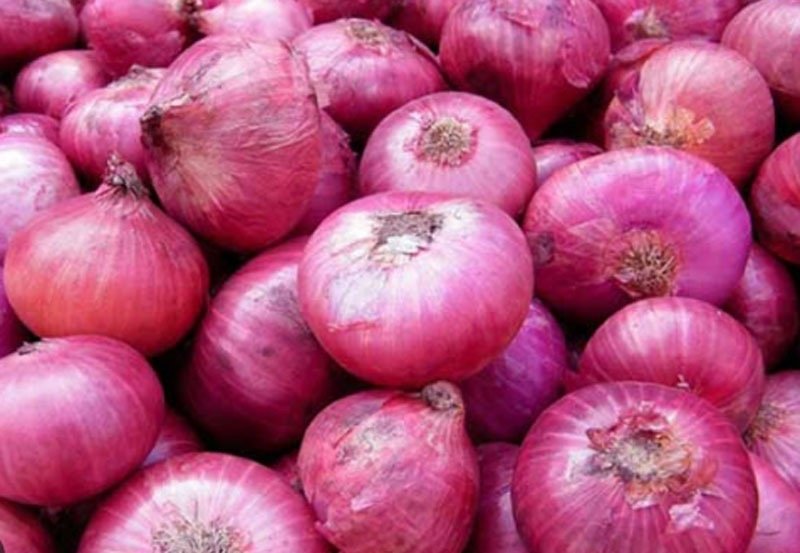
The Department of Agriculture has taken a proactive step by dispatching 75,000 kg of big onion bulbs from Dambulla to Nuwara Eliya. The goal is to vernalize these bulbs for planting in the upcoming 2024 yala (minor) season, according to an official statement released by the Government Department of Information.
The dispatched batch is expected to yield approximately 7,500 kg of seeds, which will be utilized for planting across 2,500 hectares of agricultural land. The Department emphasized the importance of the vernalization process, stating that bulbs need to be stored at a temperature of 10-15 degrees Celsius for about three weeks before planting. This process is crucial for encouraging flower production from the bulbs and generating healthy big onion seedlings.
Vernalization, a technique involving exposure to cold temperatures, is known to induce early flowering in plants. This method, commonly used in crops such as onions, wheat, cabbage, beets, and turnips, not only shortens the vegetative phase of the plant but also enhances resistance to cold temperatures and diseases.
The initiative comes in the wake of a setback in the 2023 yala season, where 3,500 hectares of onions were planted but faced destruction due to unusually heavy rains before harvesting, as reported by the Department of Agriculture.
Furthermore, the recent spike in big onion prices in Sri Lanka has been attributed to India's decision to halt big onion exports until March 31, 2024, in an effort to control escalating prices in their domestic market. Sri Lanka's President Ranil Wickremesinghe previously extended a Special Commodity Levy (SCL) on various products, including big onions, yogurt, butter, apples, oranges, and certain fish, effective from December 1. The government aims to stabilize prices and ensure the availability of essential commodities in the local market.