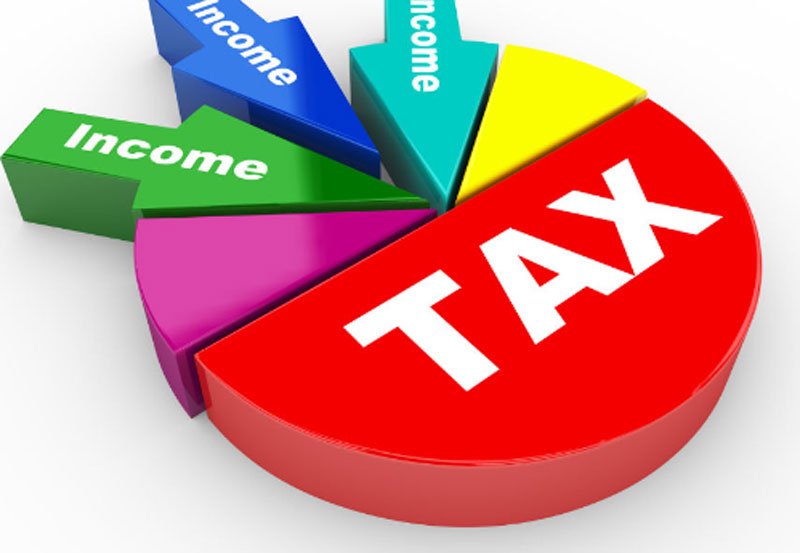
The government's revenue has experienced a significant surge of 43.5% in the first eight months.
However, the expanding budget deficit has prompted the government to raise the Value-Added Tax (VAT) as part of its fiscal consolidation efforts with the International Monetary Fund (IMF).
The IMF, in its first programme review in September, noted that limited progress on the revenue front has delayed the release of the second programme tranche. As a result, the government has announced an increase in VAT from 15% to 18% starting next year. This decision was made separately from the budget presented last week. Additionally, the government plans to remove all VAT exemptions, except for health, education, and some food items.
According to recent data released by the Treasury, the government has collected Rs.1,826.62 billion in revenues for the eight months through August, compared to Rs.1,272.78 billion during the same period last year. The taxes raised and newly imposed have contributed Rs.1,661.15 billion, reflecting a 47.8% increase from the same period in 2022.
Under the IMF programme, Sri Lanka has implemented measures such as raising corporate income tax, personal income tax, and VAT. The government has also reintroduced taxes like withholding tax and introduced new taxes like the Social Security Contribution Levy to replenish its depleted coffers.