

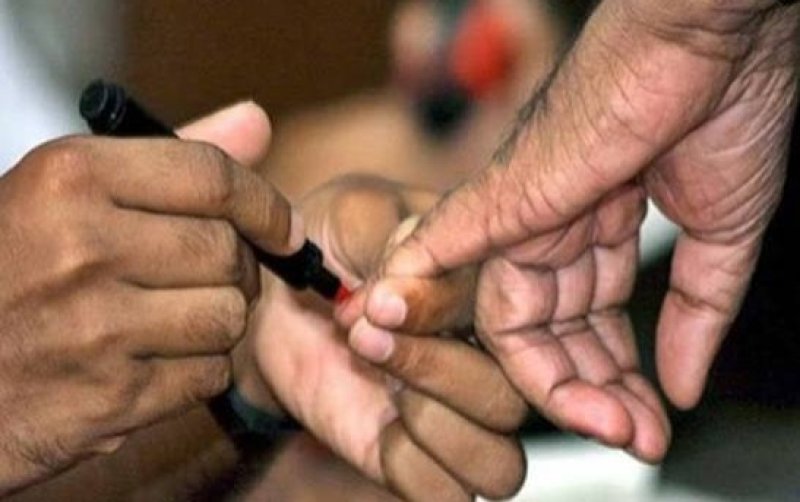










Under Sri Lanka’s electoral framework in place since 2004, polling station officials have been required to apply indelible ink on a voter’s finger, along with an additional “appropriate mark” to confirm that the person has exercised their franchise. These measures were originally introduced as dual safeguards to prevent electoral fraud and ensure that no individual votes more than once.
However, evaluations have found that maintaining two separate verification methods creates operational delays at polling stations and increases administrative costs during elections. Authorities have therefore determined that the dual-marking system is unnecessary and inefficient.
Accordingly, the Cabinet approved the proposal to rely solely on indelible ink marking, while removing the requirement for the secondary “appropriate mark” from election laws.
To give effect to this decision, amendments or repeals will be made to several legal provisions, including Section 36 of the Presidential Elections Act No. 15 of 1981, Section 38 of the Parliamentary Elections Act No. 1 of 1981, Section 36 of the Provincial Councils Elections Act No. 2 of 1988, Section 53A of the Local Authorities Elections Ordinance (Chapter 262), and Section 21 of the Referendum Act No. 7 of 1981.

