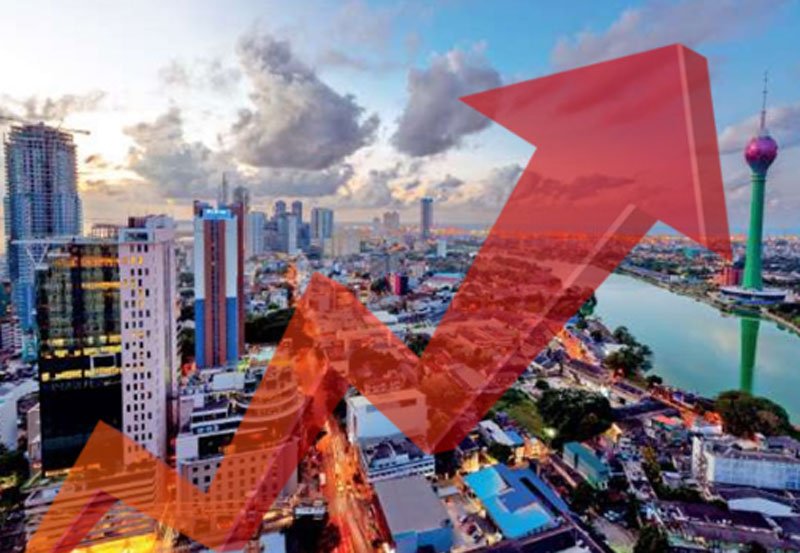
Analysts note that the latest growth figures challenge earlier concerns about overestimated disaster-related losses and the potential negative impact of reduced government capital expenditure. These fears appear to have eased as the economy continued to expand at a stable pace.
However, risks remain. Ongoing global tensions, including the Iran conflict, alongside disaster-related disruptions, have continued to exert pressure on the country’s economic outlook. Despite these challenges, Sri Lanka’s economy grew by 4.8% in the fourth quarter of 2025, indicating sustained activity toward the end of the year.
Looking ahead, maintaining this growth trajectory in 2026 is expected to be challenging. Economists warn that external shocks and internal constraints could test the country’s economic stability.
Meanwhile, annual inflation, measured by the GDP deflator, is estimated at 3.6%. Nominal Gross Domestic Product (GDP) rose by 8.7% to reach Rs. 32,751 billion.
In a positive development, Sri Lanka’s per capita Gross National Income increased to US$4,909, reflecting an improvement in average income levels.
Overall, while the economy shows signs of recovery and resilience, uncertainties remain as the country navigates a complex global and domestic environment.