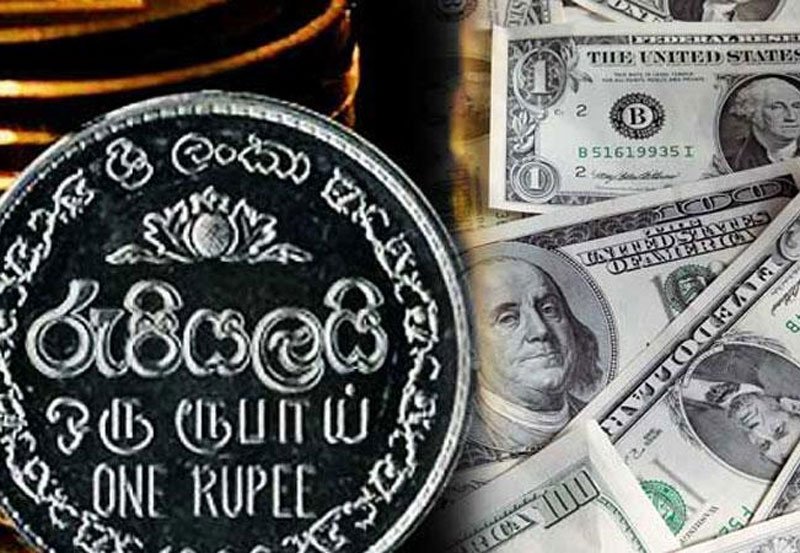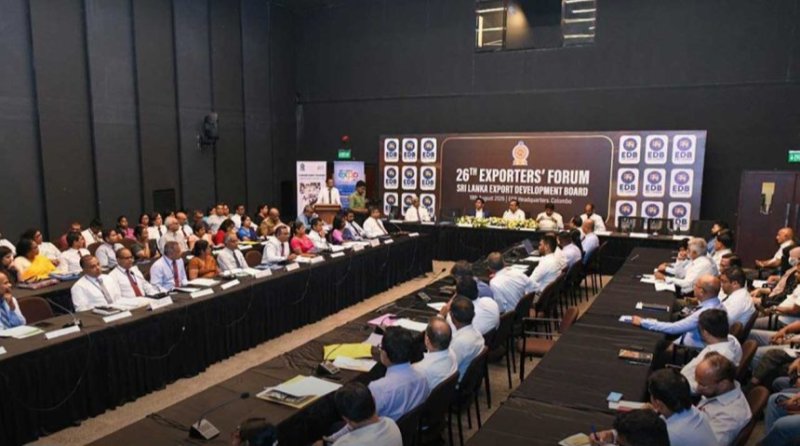
Government officials in Sri Lanka have maintained an optimistic outlook on reaching a deal with bondholders, but recent discussions failed to yield a consensus on the terms of restructuring, casting a shadow over the island nation's efforts to tackle its debt crisis.
Despite what were described as "constructive discussions," authorities and bondholders were unable to agree on the restructuring terms, as disclosed in a regulatory filing to the London Stock Exchange by Sri Lanka.
The restructuring of the debt, exceeding US$12 billion, has been deemed a crucial step by the International Monetary Fund (IMF) for Sri Lanka to navigate its way out of the ongoing debt crisis.
Sri Lanka rejected the proposed 'Macro-Linked Bond' (MLB) arrangement, citing lingering concerns, while members of the Steering Committee advocated for the fairness and reasonableness of their MLB proposal.
In response, the Steering Committee proposed the introduction of a Governance Linked Bond, a suggestion that Sri Lanka expressed willingness to consider pending further details.
Key sticking points in the discussions included discrepancies between the baseline parameters of the proposed instruments and Sri Lanka's IMF-Supported Programme baseline, as well as the absence of sufficient safeguards in the event of underperformance relative to GDP projections.
Sri Lanka emphasized the need for robust mechanisms for triggering adjustments in the MLB, as well as provisions for sharing additional value in scenarios of upward adjustments.
The government conveyed its commitment to ongoing engagement with sincerity, aiming to find common ground in the coming weeks ahead of the second review of the IMF-Supported Programme by the IMF Executive Board.
Discussions over the past three weeks involved nine members of the Steering Committee, participating in restricted talks with Sri Lanka and its legal and financial advisors. The Steering Committee, representing a significant portion of the bondholders, remains pivotal in the negotiation process.