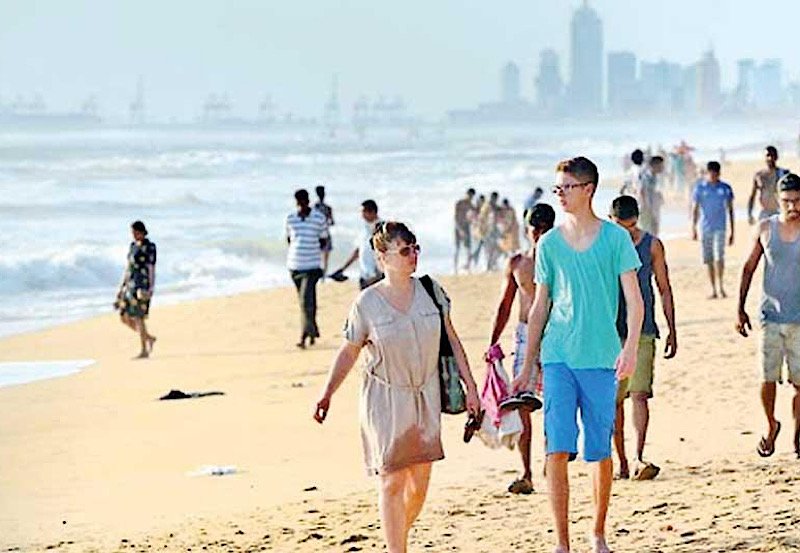
Sri Lanka's tourism industry is witnessing a remarkable resurgence as tourist arrivals soar past the 500,000 mark within just the first three months of the year, with March alone exceeding 100,000 visitors over the weekend.
This surge signals a robust momentum towards recovery for the island nation's tourism sector, marking the first time since the onset of the pandemic that such a milestone has been reached within two and a half months.
Provisional data released by the Sri Lanka Tourism Development Authority reveals that from January 1 to March 14, the country welcomed a total of 517,808 international visitors, with 91,205 arrivals recorded in the first 14 days of March alone. With a daily arrival average for March reaching 6,500, the milestone of 100,000 arrivals was surpassed on March 16. Should this positive momentum continue, Sri Lanka is poised to surpass the 200,000 arrival mark for the third consecutive month, a feat unprecedented since the Covid-19 pandemic began.
However, while the month-on-month comparison indicates a potential decrease in tourist numbers for March compared to February, with a weekly arrival average dropping from approximately 55,000 to 45,000, the overall trend remains upward.
In terms of tourist origins, the Russian Federation emerges as the largest contributor to tourist traffic, accounting for 15 percent of arrivals, followed closely by India at the same percentage. Other key source markets include Germany, the United Kingdom, France, and China.
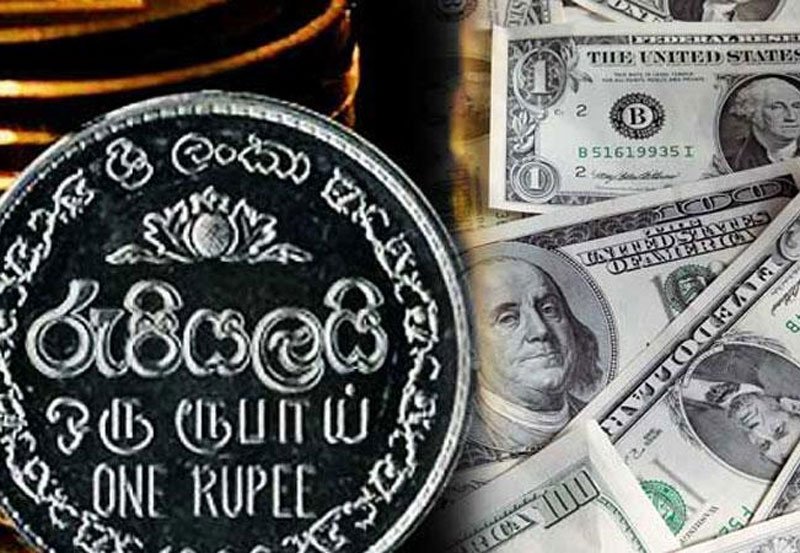
The tourism sector's contribution to the economy has been significant, with cumulative revenue reaching US $687.5 million for the first two months of the year, marking a remarkable 118.2 percent growth compared to the same period in 2023.
February alone saw a revenue of US $345.7 million generated from 218,350 visitors, providing crucial foreign income to support Sri Lanka's economy amidst ongoing challenges.
This figure represents a substantial increase from the US $161.6 million recorded in February of the previous year, underscoring the sector's resilience and potential for sustained recovery.