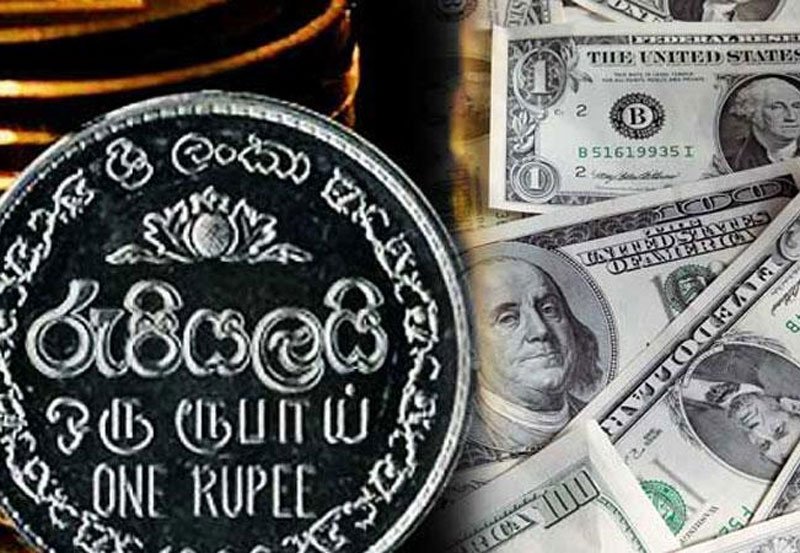
In February, the Central Bank reported a slight increase in official foreign currency reserves as it intensified efforts to bolster reserves by acquiring foreign currency from banks. This move comes amidst a period of subdued demand for foreign currency despite ample supplies from remittances, tourism, and robust exports.
According to the latest data, by the end of February, the Central Bank held US$4,517 million in official reserve assets, up modestly from the US$4,496 million reported in January.
With minimal demand for foreign currency from importers and fewer foreign debt repayments, the Central Bank has been able to collect dollars from the market, enhancing its reserve buffer.
Although the economy has shown signs of recovery since the third quarter of the previous year, imports remain sluggish, indicating further room for normalization. Despite subdued demand conditions, there are indications of a gradual recovery.
For example, imports increased by 6.2 percent in January to US$1,512 million, driven by consumer and industrial goods, widening the trade deficit to US$541 million from US$445 million a year earlier, signaling potential rising import demand in the future.
The upcoming festive season could stimulate consumer imports, while the construction industry shows signs of recovery.
Declining lending rates might further fuel import demand as individuals seek credit for housing, travel, and consumption.
Despite these factors, the Central Bank continued its trend of purchasing foreign currency from the banking system in January, acquiring US$245.3 million, ending 2023 as a net purchaser of foreign currency.
The pace and trajectory of reserve building in the coming period will largely depend on foreign debt repayments and their timing.
President Ranil Wickremesinghe recently informed parliament of plans to seek a five-year moratorium on foreign debt payments until 2027. If successful, this initiative could provide significant breathing space to rebuild reserves to unprecedented levels.