
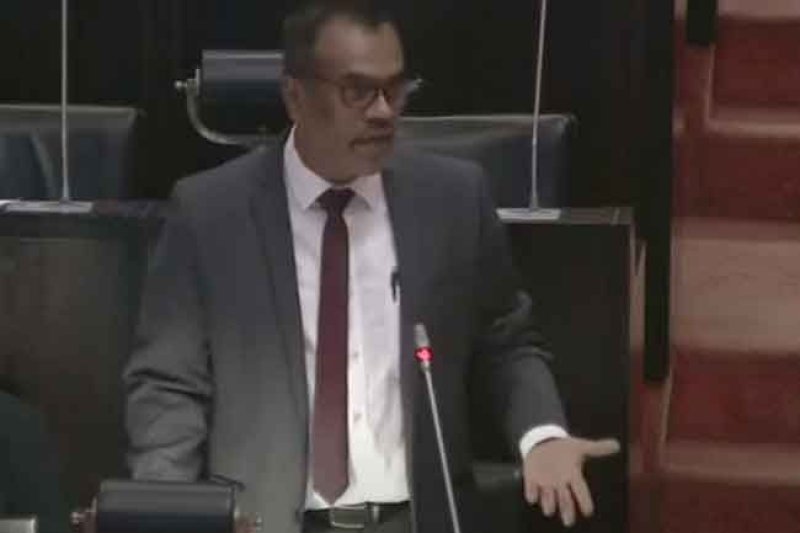











The Deputy Minister stated that vehicle purchases had exceeded expectations and clarified that the recently introduced import surcharge would not apply to vehicles already imported into the country.
He explained that, effective from May 16, a 15% surcharge has been imposed on the 30% customs duty applicable to private vehicle imports, excluding three-wheelers and motorcycles. However, the surcharge does not apply to commercial vehicles such as buses and lorries. The measure will remain in effect for only three months.
Dr. Jayantha further said that vehicles already imported, as well as those for which Letters of Credit (LCs) were opened before May 15, should not experience price increases in the market. Any such increase, he said, would be “an unfair market distortion and opportunistic behavior.”
According to the Deputy Minister, the temporary surcharge decision was taken to delay private vehicle imports for three months and thereby protect the country’s foreign exchange reserves during that period.
Addressing broader economic issues, Dr. Jayantha said the government is working to eliminate rural poverty, although such goals cannot be achieved within a single year. He emphasized that state revenue had increased not through additional taxation, but through improved tax compliance and collection mechanisms.
“The objective of these reforms is to strengthen tax compliance. Previous governments failed to properly collect tax revenue, creating opportunities for corruption. We are now successfully collecting those revenues,” he said.
He also stressed that loans cannot be used to fund subsidies indefinitely and noted that World Bank funds are tied to specific projects and cannot simply be distributed as welfare payments. “Past misuse of such resources contributed to the country’s economic crisis,” he added.
The Deputy Minister revealed that an additional Rs. 100 billion had been allocated due to the situation in the Middle East, mainly to support fuel-related subsidies and other relief measures. He also noted that electricity tariffs had not been increased for consumers using fewer than 180 electricity units per month.
Commenting on rural indebtedness, Dr. Jayantha said many rural families, particularly women, have become trapped in debt due to informal microfinance institutions and low levels of financial literacy.
He added that official district-level poverty lines are in place, with Colombo recording the highest poverty threshold at Rs. 18,000.