
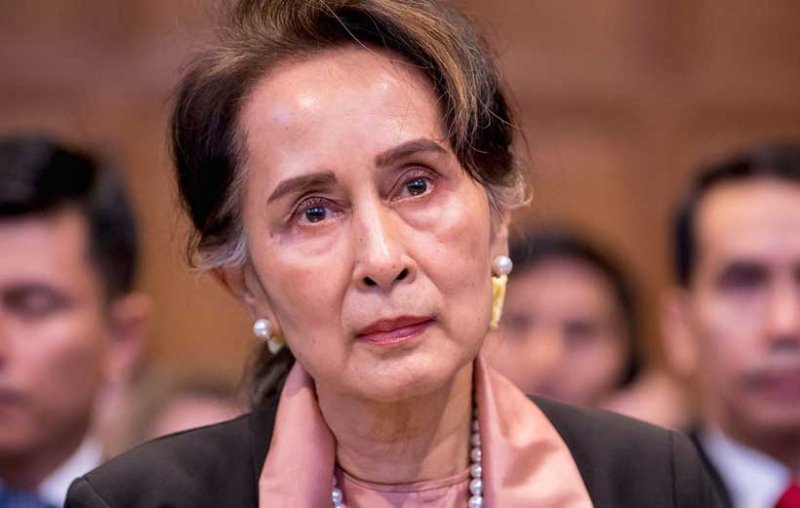










The 80-year-old Nobel laureate was convicted on multiple charges, including corruption, election fraud, and violations of state secrecy laws, which her supporters widely view as politically motivated following the military takeover in 2021.
Amnesty and Sentence Reduction:
The reduction comes as part of a broader amnesty approved by Min Aung Hlaing, under which thousands of prisoners have been granted clemency. While the sentence cut is significant symbolically, Suu Kyi still faces a lengthy term, and it remains unclear whether she will be allowed to serve it under house arrest rather than in detention.
Political Context:
The move must be viewed against the backdrop of the 2021 military coup, when Min Aung Hlaing overthrew Suu Kyi’s elected government, plunging Myanmar into prolonged political instability and conflict. His recent rise to the presidency, following elections widely criticised as lacking credibility, has further entrenched military control over the country’s political system.
International and Domestic Implications:
Suu Kyi remains a globally recognized figure, and any change in her legal status carries international significance. The sentence reduction may be interpreted as an attempt by the military leadership to ease external pressure or signal limited flexibility, though it falls short of meaningful political reconciliation. Domestically, however, the broader political climate remains repressive, with opposition figures and activists continuing to face detention.
Uncertainty Over Next Steps:
Key questions remain about whether Suu Kyi’s conditions of detention will change and whether further concessions could follow. The lack of clarity surrounding her potential transfer to house arrest underscores the controlled and opaque nature of decision-making under the current regime.