
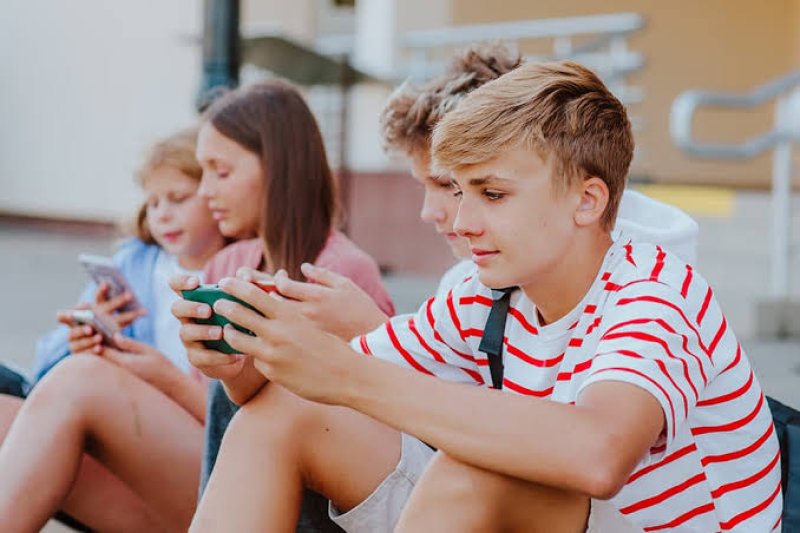











With the move, Indonesia became the first country in Southeast Asia to ban children from having accounts on YouTube, TikTok, Facebook, Instagram, Threads, X, Bigo Live and Roblox. It follows measures that Australia took last year in a world-first social media ban for children as part of a push for families to take back power from tech giants and protect their teens.
Indonesia has said that the implementation of the restrictions would be carried out gradually, until all platforms comply with the measure.
“The government has instructed all digital platforms operating in Indonesia to immediately bring their products, features and services into compliance with applicable regulations. There will be no compromise on compliance, and every business entity operating in Indonesia is required to comply with Indonesian law,” Indonesia’s Communication and Digital Affairs Minister Meutya Hafid said on Friday evening.
In announcing the new regulation earlier in March, she said that this regulation would apply to around 70 million children in Indonesia — a country with a population of about 280 million. ABC news reported.
Hafid said high-risk digital platforms are identified by factors such as how easy it is for children to become exposed to strangers, potential predators and harmful content in general, as well as the levels of risk of exploitation and data security scams.
But she acknowledged that implementing the new regulation — even gradually as planned — will be difficult. Getting digital platforms to comply and then making them report deactivations of under-16 accounts is difficult.
“This is certainly a task. But we must take steps to save our children," Hafid said. "It’s not easy. Nevertheless, we must see it through.”
Maura Munthe, a 13-year-old who spends roughly four hours a day on her phone on social media, including playing games on Roblox with her friends, said she feels “kind of 50-50” about the new government policy but mostly agrees with it.
Her peers in school, she says, worry they will miss out on all the fun and entertainment they now have access to.
“There are always other games on my phone, not only the online ones," she said. "I will likely play more games alone or just hang out with my friends.”
Munthe's mother, Leni Sinuraya, 47, said she has for years trusted her daughter to use her phone wisely, both when studying and when playing online games. Still, she sees the government's move as good for all children in Indonesia.
Parents, she says, have lost control — and social media platforms have taken over.
“Nowadays, when we see kids sitting in a restaurant, they have a phone right in front of them. It’s clear that they’re addicted," Sinuraya said. “They won’t eat unless they’re given a phone, and they throw a tantrum if they aren’t.”
"Mealtime is supposed to be a time for us to chat with the people around us,” she added.
Based in Jakarta, Indonesia's capital, Diena Haryana founded Semai Jiwa Amini foundation — also known as SEJIWA, a nonprofit that works on online child safety and protection.