The initiative aims to address escalating tensions between farming communities and wild elephants in the region, where crop damage and safety concerns have posed significant challenges.
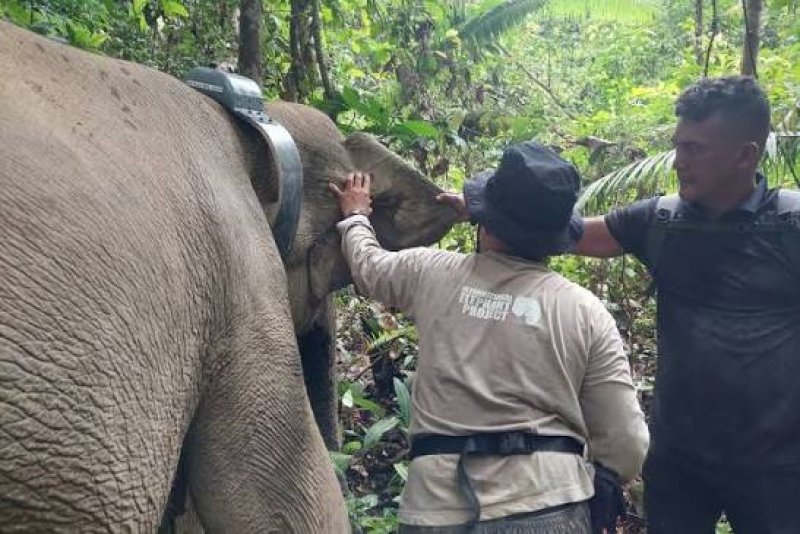
Project Director Nihal Siriwardana stated that 75 elephants have been fitted with radio collars to study and monitor their movement patterns. The data collected will enable authorities to make informed wildlife management decisions and implement timely interventions to prevent human-elephant encounters.
In addition to tracking efforts, approximately 160 kilometres of electric fences have already been installed around paddy fields within the MWSIP areas. These fences are designed to reduce extensive crop losses while maintaining safe wildlife corridors to ensure elephants can move freely without entering cultivated lands.
Siriwardana emphasized that the programme strengthens ongoing conservation measures and promotes sustainable coexistence between rural communities and wildlife. The project is expected to significantly reduce economic losses for farmers while contributing to long-term ecological balance in the North Central Province.
Authorities believe the integrated approach—combining modern tracking technology with protective infrastructure—will serve as a model for mitigating Human-Elephant Conflict in other high-risk regions across the country.