The party took more than two-thirds of seats in the historic general election, with Jamaat, the country's main Islamist party, coming second. Hasina's Awami League was banned from taking part.
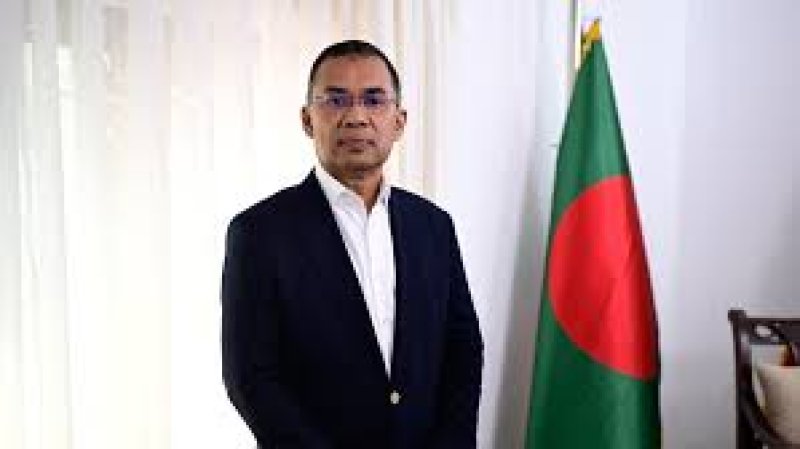
BNP leader Tarique Rahman is set to be the next prime minister and faces huge challenges in getting the economy back on its feet and restoring democracy after 15 years of authoritarian rule under Hasina.
Voters also backed sweeping democratic reforms in a referendum held alongside the election.
am grateful for the love you have shown me," Tarique Raman told well-wishers in Dhaka as he attended Friday prayers.
His party said there would be no victory procession and he urged supporters to attend prayers instead of street celebrations in memory of his late mother, former PM Khaleda Zia, who died in December.
His family background is a reminder that while the BNP have promised change, Rahman, like Hasina, hails from a political dynasty.
The absence of both Sheikh Hasina and Khaleda Zia, who alternated in power over four decades, was one of a number of firsts in this election.
Another was that, with the Awami League banned, Jamaat for the first time ran as one of the main parties vying for power. The alliance it leads took 77 seats, six of which went to the student-led National Citizen Party (NCP) that was born out of the 2024 protests.
For Tarique Rahman, it is a huge change of fortunes. He spent 17 years in self-imposed exile in London before returning to the country five days before his mother's death and is seen by many as largely untested.
It is also his first time as an MP. He was elected as member for the Dhaka-17 and Bogra-6 constituencies, and is one of 212 successful BNP candidates, according to the Election Commission, which put voter turnout at 59.44%.