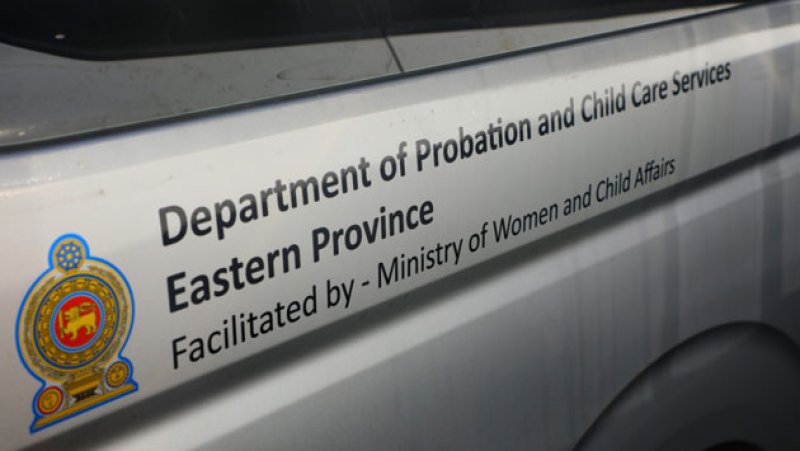
In a major step to protect children involved in the justice system, the government has introduced modern vehicles and newly recruited staff to strengthen the “Child-Friendly Transport System,” officials said.
The initiative, highlighted during a ceremony at the Ministry of Women and Child Affairs in Sethsiripaya, Battaramulla, yesterday, aims to safely transport child victims, suspects, and offenders to secure locations under court orders. Previously, children were often transported in vehicles used for adult prisoners, sometimes alongside the accused, causing secondary trauma. A Supreme Court Fundamental Rights case (S.C. (F/R) 335/2010) had called for a separate child-sensitive transport system.
Under the first phase of the program, five Toyota vans were provided to the Southern, Sabaragamuwa, Western, Northwestern, and Northern Provincial Councils. Expanding the system, this year’s budget allocated Rs. 250 million to provide nine vehicles—one for each province.
To ensure proper operation of the system, 54 new provincial-level positions have been created, including drivers, guardians, and security officers. Recruitment and specialized training for these staff members will begin immediately, with regular reviews planned to enhance the system further.
Deputy Minister of Women and Child Affairs Dr. Namal Sudarshana, Deputy Minister of Mass Media Dr. Kaushalya Ariyaratne, Ministry Secretary Tharangani Wickramasinghe, provincial chief secretaries, and senior officials of the Department of Probation and Child Protection Services attended the ceremony.
Officials said the program will provide a safe, dignified, and child-sensitive transport service, ensuring the rights and protection of children within the legal system while preventing secondary victimization.