A group of authorised mobile phone importers expressed their deep concern over the Sri Lankan government’s decision to remove mobile phones from the Value Added Tax (VAT) exemptions list, coupled with a simultaneous increase in VAT from 15 percent to 18 percent, effective January 1, 2024.
This dual impact, where devices now not only face a sudden VAT imposition but also at a significant rate of 18 percent, poses substantial challenges for the industry and country. The importers urgently call for a critical reassessment by the authorities, in light of these compounded challenges.
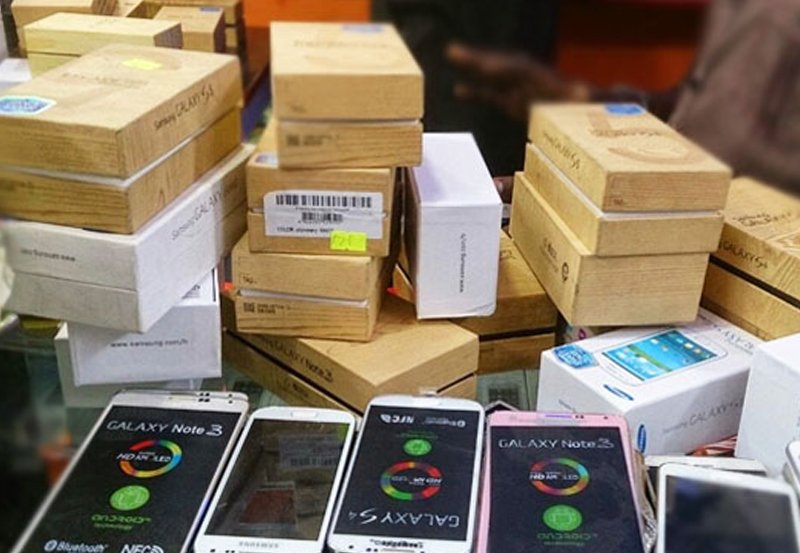
The timing of the VAT hike is particularly challenging for authorised mobile phone importers in the country. These companies have collaborated with the Telecommunications Regulatory Commission of Sri Lanka (TRCSL) to find viable solutions to the challenges of parallel imports (PIs). PIs or grey market goods involve the import and sale of branded products in a market without the trademark owner’s consent. This issue has already caused a tax revenue loss of Rs.3.1 billion (US $ 9.4 million) and a forex outflow of Rs.31.6 billion (US $ 96 million) via illegal channels in the country, the importers pointed out in a statement to the media.
With the sudden VAT increase, this loss is estimated to rise to Rs.11.9 billion, marking a substantial increase in tax revenue loss from illegal imports. Additionally, there is a projected further tax revenue loss to the government, amounting to a Rs.2.5 billion decline from legitimate imports. This decline is anticipated due to increased PI products, driven by the rising prices of genuine products. The authorised mobile importers emphasised the unfortunate timing of removing the cellular and electronic devices from the VAT-exempted list and the hike in VAT, given the ongoing efforts by the legal importers to find solutions for the persistent PI issue.
Accordingly, the industry had put forward practical suggestions and is actively engaged in collaboration with the TRCSL to explore viable solutions, which include proposing an option for registering already in-use PI devices at a nominal fee, introducing a Tourist SIM for the duration of the incoming visitor’s visa period and implementing whitelisting of non-registered IMEI from mobile networks. These initiatives aim to holistically address the challenges posed by PIs, foster regulatory compliance and contribute to the development of effective policies that strike a balance between industry interests and regulatory requirements. However, the sudden imposition of VAT and at an alarmingly high percentage, while the industry was working with the TRCSL, is deeply concerning.