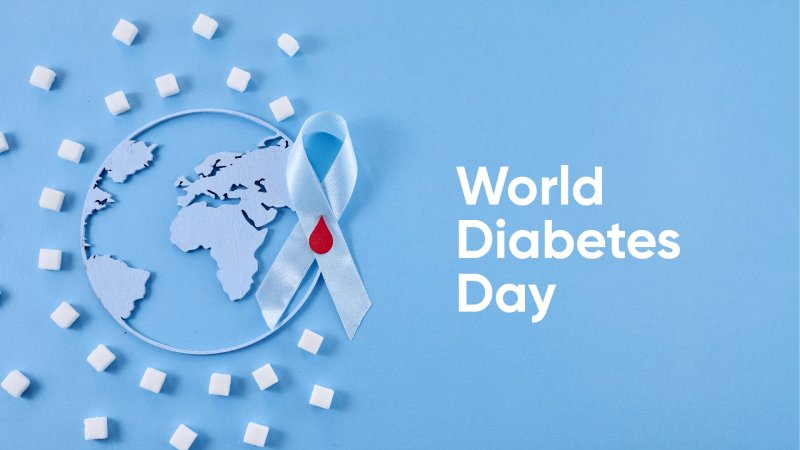
Globally, an estimated 422 million adults were living with diabetes in 2014, compared to 108 million in 1980. The global prevalence of diabetes has nearly doubled since 1980, rising from 4.7% to 8.5% in the adult population. This reflects an increase in associated risk factors such as being overweight or obese. Over the past decade, diabetes prevalence has risen faster in low and middle-income countries than in high-income countries. Without a diagnosis, people living with diabetes may not be able to access the care, treatment and support they need to manage their diabetes and live healthy lives.
Knowing the symptoms of diabetes can help people recognize when to seek support. Common symptoms of diabetes include increased thirst, frequent urination, tiredness and blurred vision.
Type 1 diabetes often develops rapidly, while type 2 diabetes typically develops gradually and may cause few or no noticeable symptoms.
The 2026 World Diabetes Day theme, “Early action on diabetes,” highlights the importance of earlier diagnosis, access to comprehensive care and reducing diabetes stigma.
Closing the gap in diagnosis is a global priority. One of the five global diabetes coverage targets supported by WHO Member States sets a target for 80% of people with diabetes to be diagnosed by 2030.
More than 40% of people living with diabetes are undiagnosed. Common symptoms include increased thirst, frequent urination, tiredness and blurred vision.
Type 1 diabetes can develop at any age and is frequently missed or misdiagnosed, particularly in adults. Recognizing the symptoms can help lead to diagnosis and life-saving treatment.
Diabetes diagnosis can only improve outcomes when it is followed by access to timely, affordable care and ongoing support.
Ensuring everyone has access to healthy food, safe places to be physically active and quality health services is effective in reducing type 2 diabetes risk and supporting effective diabetes management.
Quality, uninterrupted diabetes care reduces complications and enables people living with diabetes to live healthy, fulfilling lives.
Diabetes stigma is widespread, harmful and preventable. Everyone living with diabetes deserves to be supported. The words and images we use matter.