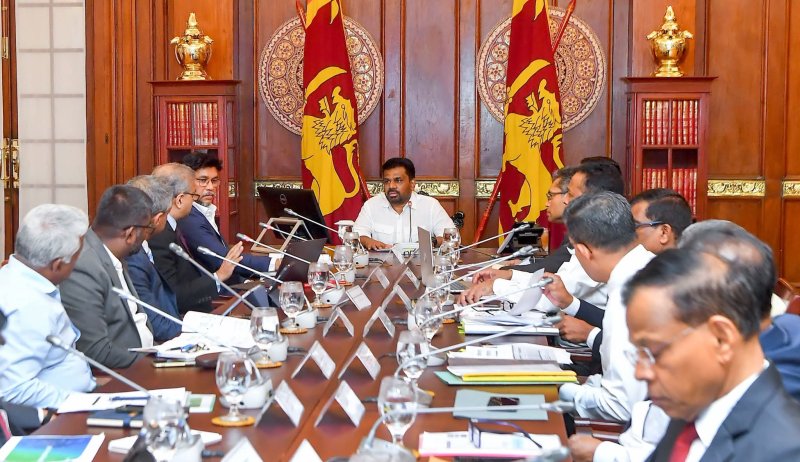
President Anura Kumara Dissanayake instructed officials to focus on establishing the Information Technology Service as an All-Island Service capable of making a significant contribution to the Government’s digital transformation process.
The President issued these instructions while participating in a progress review meeting on projects and programmes implemented in 2026 under the Ministry of Digital Economy, held at the Presidential Secretariat today (19).
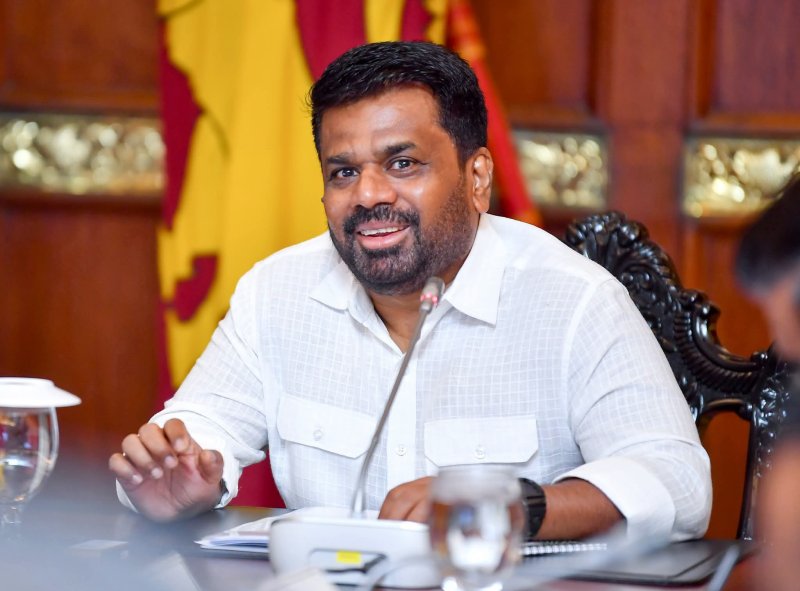
The meeting included a comprehensive review of the progress of projects and programmes currently being implemented by the Ministry of Digital Economy and institutions under its purview, as part of the Government’s programme to increase the value of Sri Lanka’s digital economy to US$30 billion by 2030.
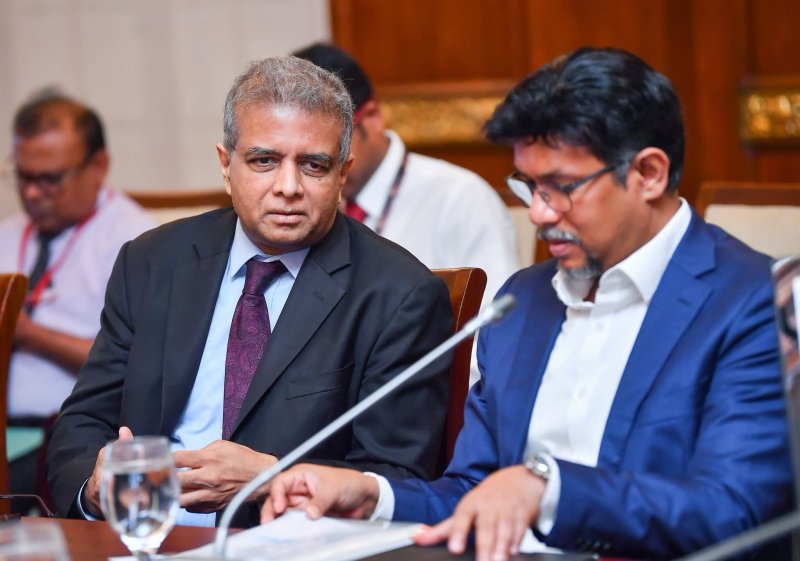
Accordingly, the meeting reviewed separately the progress of programmes being implemented by institutions including the Department for Registration of Persons, the Telecommunications Regulatory Commission of Sri Lanka, the Sri Lanka Computer Emergency Readiness Team (SLCERT), the Data Protection Authority, GovTech, Sri Lanka Telecom-Mobitel and the Colombo Lotus Tower Management Company. The performance and progress of projects, including the television programme digitisation project, were also reviewed.
The President also reviewed the progress of the process to issue digital identity cards by the end of this year. Ministry officials stated that the necessary arrangements are currently underway and that the first digital identity card is scheduled to be issued by the end of the year.
The current progress of the GovPay programme, introduced to make all financial transactions between the public and the Government more efficient and convenient, was also reviewed.
It was further noted that all necessary infrastructure has been put in place to enable all vehicle fine payments made across the country to be processed exclusively online from September this year.
The meeting also reviewed the progress of the National Super App project, introduced by the Government to make public services more convenient, the National QR Drive project, aimed at reducing the use of cash and promoting digital transactions in Sri Lanka and the National Data Exchange (NDX), which facilitates the secure and transparent exchange of information among Government institutions while streamlining service delivery processes. Discussions also covered the Number Portability project, which will enable mobile phone users to switch to another network without changing their existing telephone numbers, as well as the Government’s digital procurement and services platform.
The progress of the Public Impact Champions Network (PIC-Net) programme, introduced under the Government’s digital economy plan to digitise public services and improve the efficiency of service delivery, was also reviewed. In addition, attention was given to the Data Transmission Unit (DTU), the AI Data Centre and the GovTech Academy’s training and educational programmes, which aim to promote digital technology, information and communication technology (ICT) skills and innovation across the Government and public service sectors. The Academy’s future plans were also discussed.
The meeting also focused on the current progress of establishing GovTech, developing the necessary technological infrastructure and recruiting staff.
Deputy Minister of Digital Economy Eranga Weeraratne, Secretary to the President Dr. Nandika Sanath Kumanayake, Senior Adviser to the President on Digital Economy Dr Hans Wijayasuriya, Senior Additional Secretary to the President Roshan Gamage, Secretary to the Ministry of Digital Economy Waruna Sri Dhanapala and heads of institutions under the Ministry of Digital Economy were among those present.