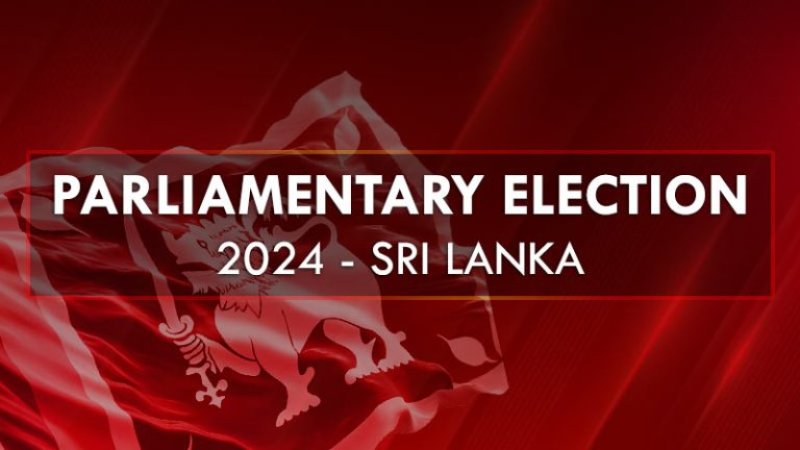
In a landmark performance in Sri Lanka's 2024 General Election, the National People's Power (NPP) secured a record-breaking 6.8 million votes, ranking as the second-highest ever in the country's electoral history. This remarkable achievement places the NPP just behind Gotabaya Rajapaksa's record of 6.9 million votes in the 2019 Presidential Election.
The NPP, led by Anura Kumara Dissanayake, has made significant strides in the country’s political landscape, with its progressive policies and anti-corruption stance resonating strongly with voters across diverse demographics.
The party’s impressive voter turnout signals growing public disillusionment with traditional political forces and a desire for a fresh, alternative approach to governance.
Despite falling short of the 6.9 million votes garnered by Gotabaya Rajapaksa in 2019, the NPP’s performance represents a significant milestone for third-party politics in Sri Lanka, reinforcing its position as a key player in the nation’s political future.
Election analysts have pointed to the NPP’s ability to mobilize young voters, urban populations, and those disillusioned with the current political establishment as a key factor behind the party’s success.
As the NPP prepares to build on this momentum, attention will turn to how the party’s leadership plans to leverage this support in the coming months, especially in light of the challenges posed by the current economic crisis and political instability in Sri Lanka.
While the ruling party’s performance in the election remains a topic of ongoing analysis, the NPP’s historic result underscores the shifting dynamics of Sri Lanka’s electoral politics and its evolving democratic landscape.