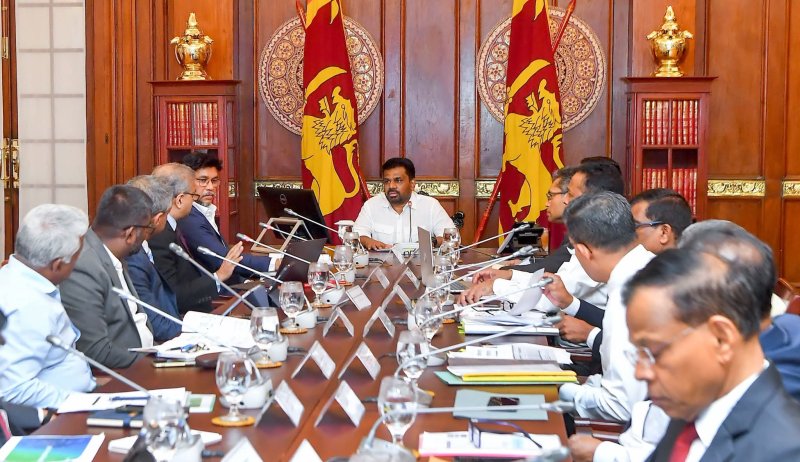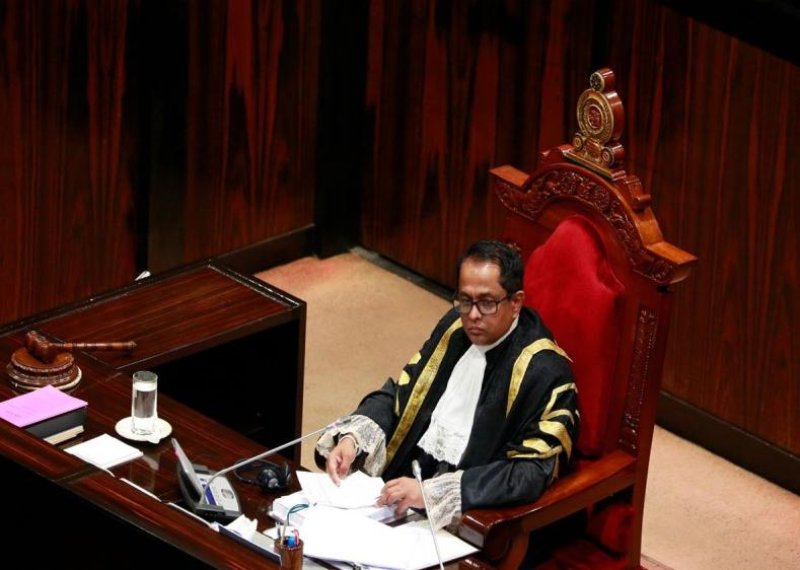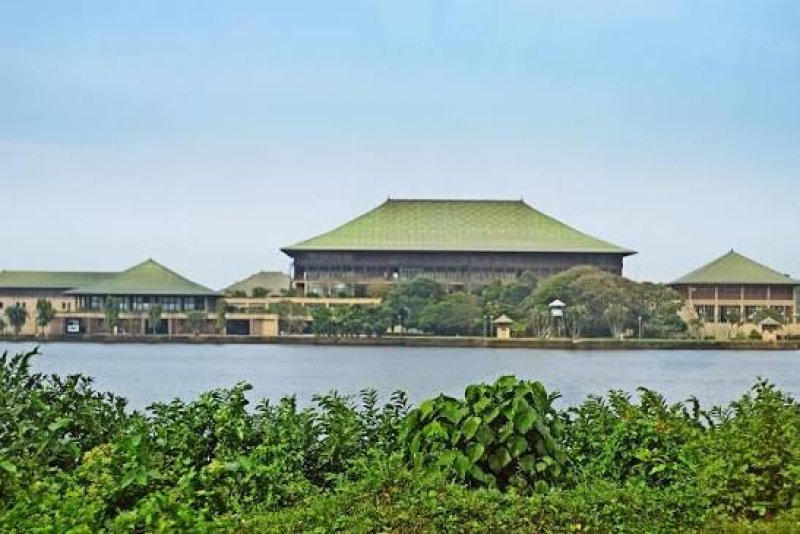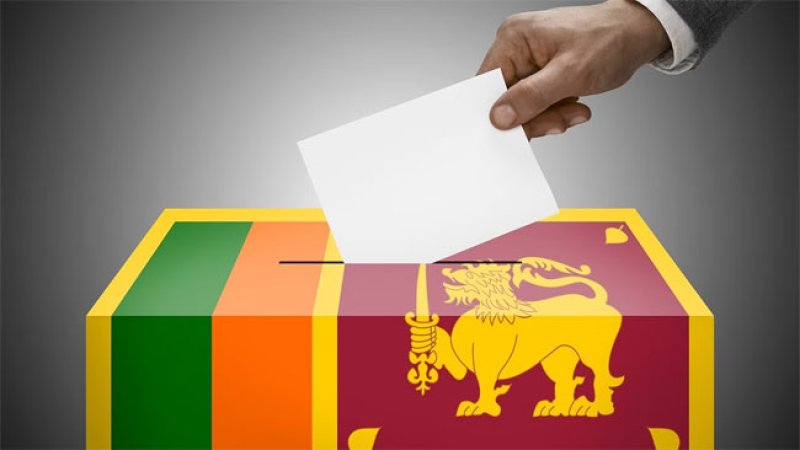
Early results indicate that the National People's Power (NPP) is on the brink of achieving a two-thirds majority in Sri Lanka's Parliament, a significant milestone under the proportional representation (PR) system.
This potential victory marks the first time a single party may reach such a majority without forming alliances or gaining support from opposition members. In previous elections, both the People’s Alliance in 2010 and Sri Lanka Podujana Peramuna (SLPP) in 2020 fell just short of a two-thirds majority, needing opposition support to pass key legislation.
This result is drawing comparisons to the 1994 Presidential Election, when Chandrika Kumaratunge won a strong mandate, signaling a shift in political momentum. NPP’s substantial gains, especially in the traditionally underrepresented Northern and Eastern provinces, reflect broad support and may enable President Anura Kumara Dissanayake to bridge regional divides, promoting national unity across Sri Lanka’s diverse communities.
The near two-thirds majority opens the door for the NPP government to implement its campaign promises, including the abolition of the Executive Presidency and the introduction of a new Constitution. However, these reforms come with unique challenges. Observers note that today’s geopolitical environment is far more complex than in 1978 when Sri Lanka’s current Constitution was introduced, with significant international attention now focused on Sri Lanka. To protect national sovereignty and unity, the NPP must balance both internal and external pressures in its constitutional reforms, ensuring a framework that aligns with Sri Lanka’s long-term interests.
The NPP’s landslide victory indicates widespread public satisfaction with recent changes under President Dissanayake’s leadership, especially his efforts to reshape the political culture. However, such a strong majority also brings responsibility. President Dissanayake has openly cautioned against the risks of misusing a two-thirds majority, referencing past governments that restricted democratic freedoms when wielding similar power. The NPP, therefore, will need to exercise caution to prevent overreach and ensure any changes strengthen democratic rights, maintaining a balanced approach as they proceed with their reform agenda.
As a whole, the election is viewed as a turning point, underscoring the public’s desire for transparency, accountability, and meaningful political change. The NPP now has the mandate and the momentum to drive significant reforms, but it must do so with a commitment to preserving Sri Lanka’s democratic principles and fostering an inclusive and united society.