According to the UN, women around the world are paid less, less likely to be entrepreneurs, and face more food insecurity than men.


Young women need more ‘decent job opportunities’ says ILO employment policy head

According to the UN, women around the world are paid less, less likely to be entrepreneurs, and face more food insecurity than men.
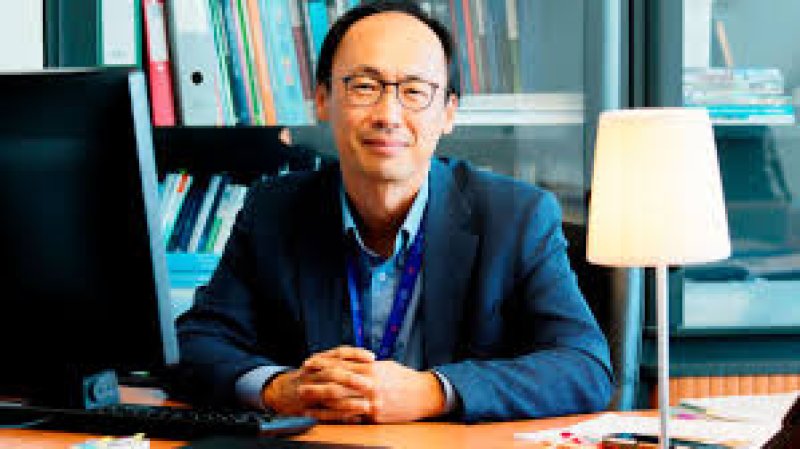
As director of the Employment Policy Department at the UN’s International Labour Organization (ILO), Sangheon Lee develops policies for achieving full employment and providing better job opportunities for young people, women in particular.
Ahead of International Women’s Day, CNN spoke with Lee at the Human Capability Initiative, in Riyadh, Saudi Arabia.
The interview has been lightly edited for length and clarity.
CNN: How is the ILO helping young women into the workforce?
Sangheon Lee: I think this is one of the biggest challenges we have. Over the last two or three decades we can see a significant improvement in women’s education, but when it comes to job opportunities, of course we are making some good progress, but it’s far less than what is needed. We’re trying to find a way of further boosting or creating more real job opportunities, real decent opportunities for young women. This is a particularly important issue in this region.
Sangheon Lee: I think this is one of the big concerns. Many governments in this region have been working very, very hard and providing educational opportunities, for example, for young women and also women broadly. Having said that, the overall progress has been positive but still low. I think there is more to be done, in terms of more investment and also especially how to bring young people who have quite a good education into work. Which means you have to create good job opportunities for those people who have high educational attainment.
Sangheon Lee: Now the big global agenda is all about the green transition and digital transition. So oftentimes when governments are making lots of investment in these areas, especially green areas, they sometimes forget about the importance of skills and training. They’re making lots of infrastructure investment, but that may require a new set of new workers with new skills, and you need investment to get the training opportunities for the new workers. So we are just making sure that governments fully factor in those elements in all their investment decisions.
Sangheon Lee: For the time being, uncertainty will be the defining feature of the labor market in the coming years. When it comes to skills, for example, we are putting more emphasis on the more generic skills and soft skills, rather than very specific technical skills. The labor market keeps changing - workers have to always adapt themselves to the new labor market realities, which means they need adaptability and resilience. How we can help workers to acquire those kinds of skills, I think should be the focus.
CNN