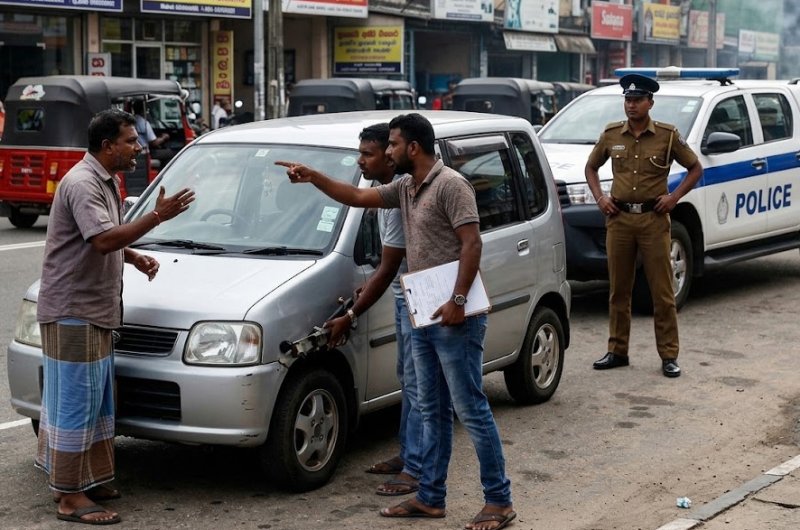
The Sri Lanka Police have clarified the legal procedures governing the repossession of vehicles and equipment by leasing and finance companies, warning against forceful seizures and breaches of the peace.
According to the Police, repossessions must be carried out strictly in accordance with the Finance Leasing Act No. 56 of 2000.
Under the law, a lessor or an authorised representative may take possession of a leased vehicle only when the lessee does not resist. If resistance occurs, the lessor is not permitted to forcibly seize the vehicle and must instead seek an order from the relevant District Court.
Police stressed that officers do not take part in the actual repossession of vehicles or equipment. Their role is limited to maintaining public order when police protection has been requested in advance by the lessor or authorised representative.
The Police further clarified that such intervention applies only to agreements covered by the Finance Leasing Act. There are no provisions for police involvement in the repossession of assets under hire-purchase agreements governed by the Consumer Credit Act No. 29 of 1982.
The Police said officers have already been instructed on the relevant legal provisions through official circulars.
Authorities warned that any lessor or agent who violates the prescribed procedures could face legal action. Complaints from lessees will be accepted where repossessions are carried out unlawfully, and police investigations will be initiated.
If investigations establish offences such as robbery, theft or criminal trespass, appropriate legal action will be taken against those responsible.
The Police urged leasing companies, finance companies and lessees to comply with the terms of their agreements and follow the proper legal procedures while taking steps to prevent disturbances to public order.