
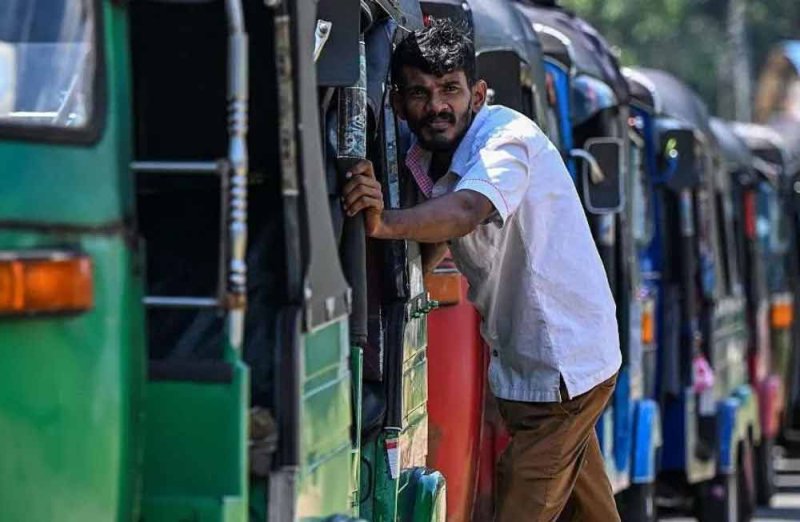










The report warns that despite notable progress in stabilizing the economy following the 2022 financial crisis, Sri Lanka remains exposed due to its heavy dependence on imported energy and high public debt burden.
Sri Lanka ranks as the second most peaceful country in South Asia, reflecting improvements in domestic security and political stability. However, researchers caution that the economic fallout from the ongoing Iran war could undermine recent gains by driving up global oil and liquefied natural gas (LNG) prices.
According to the report, Sri Lanka’s public debt stands at 101 per cent of gross domestic product (GDP), while imported energy accounts for around 60 per cent of the country’s total energy consumption. This combination leaves the economy particularly susceptible to prolonged increases in global fuel prices.
Analysts estimate that a sustained conflict could increase Sri Lanka’s annual energy import bill by between US$600 million and US$900 million, equivalent to 1.5 to 2.2 per cent of GDP. Such an increase could place additional strain on public finances and complicate efforts to meet fiscal targets agreed under the country’s US$2.9 billion programme with the International Monetary Fund (IMF).
The report notes that unlike previous periods of commodity price shocks, Sri Lanka has limited room to absorb higher costs through additional borrowing or increased government spending. Prolonged energy market disruptions could therefore heighten pressure on foreign exchange reserves and the balance of payments.
Researchers also warn that continued volatility in global energy markets may affect debt restructuring efforts and slow the pace of economic recovery if fuel prices remain elevated over an extended period.