











According to Buddhist tradition, Prince Siddhartha was born in the Lumbini Sal Grove and later renounced worldly life in search of the truth that would lead to the end of suffering. After six years of rigorous ascetic practices and spiritual striving, he attained Supreme Enlightenment beneath the Bodhi Tree at Bodh Gaya, realizing the Four Noble Truths and becoming the Buddha.
Buddhist scriptures further state that the Buddha entered Parinirvana at the Upavattana Sal Grove in Kusinara on a Vesak Full Moon Day, marking the completion of his earthly mission of teaching the path to liberation from suffering.
The Dhamma preached by the Buddha is founded upon wisdom and compassion, principles that continue to guide millions of followers across the globe more than 2,500 years later.
Buddhist historical records also note that the Bodhisattva received his first definite prophecy of Buddhahood on a Vesak Full Moon Day. In addition, the Buddha is believed to have visited Kelaniya in Sri Lanka on a Vesak Poya Day during the eighth year after attaining Enlightenment.
Vesak also holds special significance in Sri Lankan Buddhist history. Historical sources indicate that King Dutugemunu commenced the construction work and land preparation of the Ruwanwelisaya Stupa on a Vesak Poya Day.
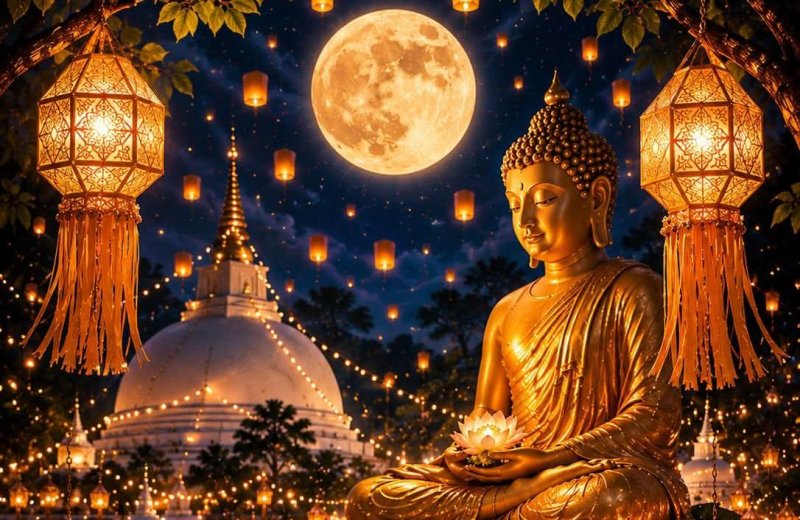
To mark the occasion, religious observances, Bodhi Pujas, almsgiving programs, Vesak lantern displays, devotional song events, and other commemorative activities are being held across Sri Lanka. Devotees are participating in both material and spiritual acts of merit, reflecting on the Buddha’s teachings and the values of generosity, kindness, and mindfulness.
Vesak remains the most revered and widely celebrated religious festival in the Buddhist calendar, symbolizing peace, enlightenment, and the timeless message of the Buddha.