

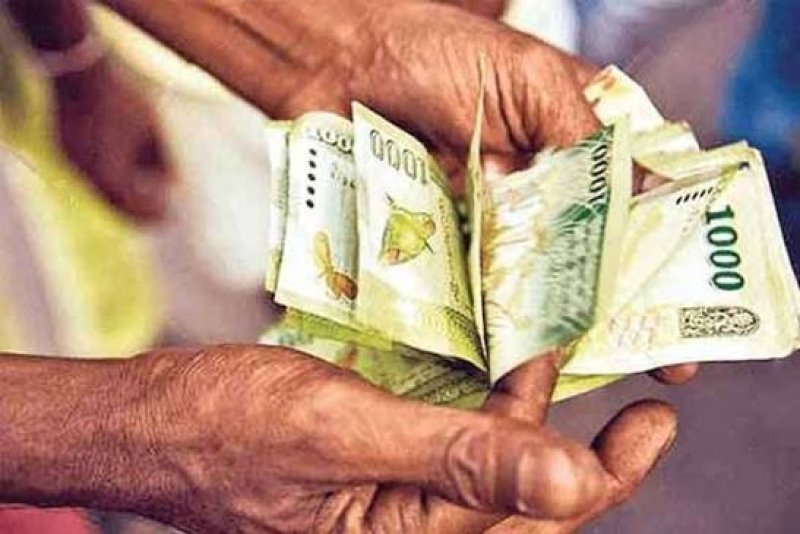










In a statement issued by the Welfare Benefits Board, authorities explained that a payment “slip file” had been uploaded twice while processing additional festive allowances approved ahead of the Sinhala and Tamil New Year.
According to the statement, nearly 1.8 million beneficiary families were included in the payment process, with files grouped into batches of 90,000 before being forwarded to Bank of Ceylon for distribution.
Officials stated that the duplication caused some beneficiaries in the “poor” category to receive double payments.
The Ministry said immediate measures were taken to stop further duplicate transactions and banks were instructed to reverse the funds to the Welfare Benefits Board’s accounts.
However, authorities admitted that 49,759 beneficiaries had already withdrawn the additional payments before the transactions could be suspended.
The Government further stated that approximately Rs. 248.7 million will now be recovered from May’s Aswesuma payments.
The incident has triggered criticism and calls for a parliamentary investigation, with the Free Lawyers Organisation alleging that nearly Rs. 500 million may have been irregularly disbursed through the welfare programme.
The organisation compared the issue to recent controversies involving mistaken state payments, including incidents where millions of dollars intended for foreign transactions were allegedly transferred to third-party accounts.
In a letter addressed to the Speaker, the group questioned whether the incident resulted from negligence, weak financial oversight or broader systemic failures within the Treasury and Finance Ministry.
Meanwhile, Welfare Benefits Board Chairman Nimal Kotawelagedara defended the payment process, stating that officials had been operating under severe time pressure after the Government announced increased festive allowances shortly before April payments were scheduled.
He explained that the additional allowances had to be processed outside the normal digital system which led to one payment list being uploaded twice by mistake.
The controversy comes amid increasing scrutiny over several recent payment irregularities involving state institutions in Sri Lanka.

