
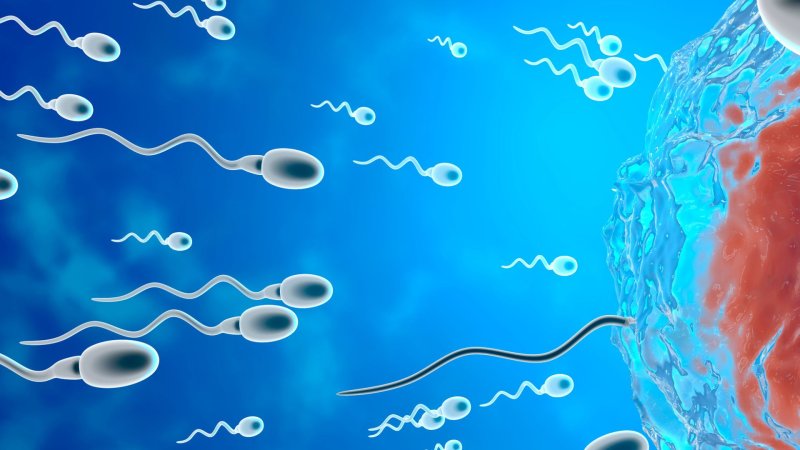











Developed by researchers at Columbia University, the system—known as STAR (Sperm Track and Recovery) has already contributed to a successful pregnancy. A couple from New Jersey, Penelope and Samuel, who had been trying to conceive for over two and a half years, are now expecting their first child thanks to this innovation.
Samuel was diagnosed with Klinefelter syndrome, a genetic condition that often results in azoospermia—a complete absence of sperm in semen. Typically, men with this condition have only about a 20% chance of fathering a biological child.
The STAR system uses AI techniques originally designed by astronomers to detect distant stars in space. It analyzes semen samples placed in ultra-thin glass chambers using high-speed imaging, capturing up to 300 frames per second. The AI can instantly detect rare sperm cells hidden among other debris—cells that are invisible to the human eye.
Once identified, a robotic system isolates the sperm cell within milliseconds. In Samuel’s case, the system successfully retrieved eight viable sperm cells from testicular tissue. One of these cells was used to create an embryo, leading to Penelope’s current pregnancy. The couple is expecting their baby in July, marking what could be the first birth achieved using this technology.
Medical experts describe this development as a significant advancement in fertility treatment. Around 1% of men worldwide suffer from azoospermia, and this innovation could provide new opportunities for many of them.
However, specialists caution that the technology is still in the research stage and requires further clinical trials before it becomes widely available.
Despite this, the STAR system represents a major step forward, offering renewed hope to millions of couples struggling with infertility around the world.