











Despite this achievement, health authorities emphasize the importance of continued vigilance. In recent years, a small number of malaria cases have been reported across different parts of Sri Lanka. These cases are primarily imported, meaning they originate from individuals who have traveled to countries where malaria is still prevalent.
According to available data, 62 cases were detected in 2023, followed by 38 cases in 2024, and 14 cases in 2025. While these figures remain low, they highlight the ongoing risk of reintroduction.
Health officials stress that these isolated cases have not led to widespread outbreaks, thanks to strong surveillance systems and rapid response measures. Authorities continue to implement systematic disease control strategies, including early detection, treatment, and monitoring, to prevent any potential spread.
Sri Lanka’s success in eliminating malaria remains a global model, but experts caution that sustained efforts are essential to maintain this status and safeguard public health.
For the first time, ending malaria is a real possibility. Science is advancing faster than ever with new vaccines, treatments, malaria control tools and pioneering technologies.
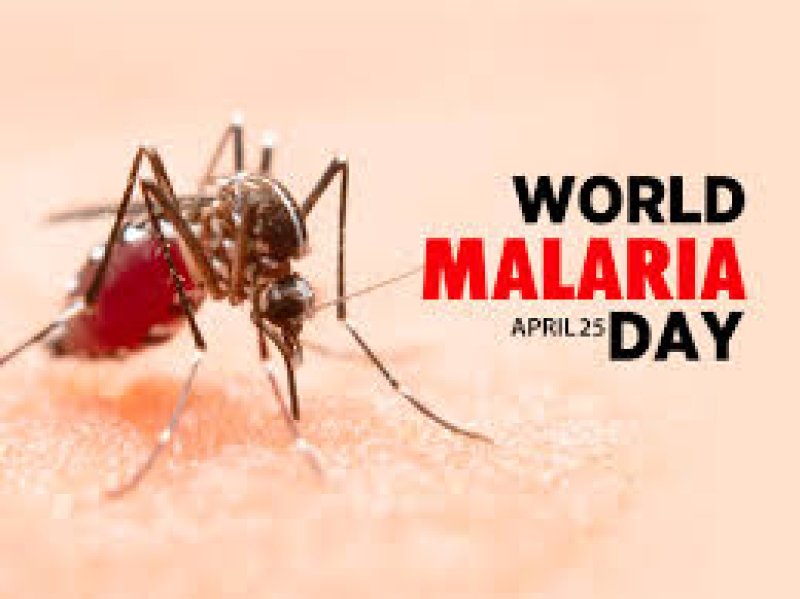
But malaria doesn't wait. When funding falls and programmes weaken, it comes back fast, reversing hard-won gains. World Malaria Day 2026 with the theme, "Driven to End Malaria: Now We Can. Now We Must," is a rallying cry to grasp the moment to protect lives now and fund a malaria-free future.
In the Region, 1.7 million malaria cases were reported in 2024, with 346 reported malaria deaths. Malaria incidence remained stable at 2.3 cases per 1000 at-risk population.
Notable progress has been achieved in several countries, with Cambodia, the Lao People’s Democratic Republic and Viet Nam together reducing malaria incidence and deaths by 75% – a WHO Global Technical Strategy 2025 target for malaria. Cambodia has had zero transmission of Plasmodium falciparum – the deadliest malaria parasite – since end of 2023.
China was certified as malaria free in 2021, and Malaysia has maintained zero indigenous cases for seven consecutive years. Diagnosis and treatment coverage in the Region have improved substantially.
Challenges remain. The Western Pacific faces antimalarial drug resistance and insecticide resistance to the mosquito nets used for malaria prevention. Persistent malaria transmission continues in high-burden island countries, such as Papua New Guinea, Solomon Islands and parts of Vanuatu. Funding sustainability remains a major concern as donor support declines, threatening vector control and surveillance activities. Climate change drives malaria resurgence and disrupts essential services.
To make a malaria-free future a reality, we must:
With the tools and resources available today, no one should die from malaria.