Located near the eastern coastline of the Ampara District, the Sangamankanda Kattamadu Forest Reserve is recognized as a critical ecological asset. The newly designated area represents a biologically rich dry monsoon forest ecosystem, home to valuable timber species and medicinal plants uniquely adapted to Sri Lanka’s dry zone climate. Among the prominent flora found in the reserve are Burutha (Satinwood), Milla, Palu, Weera, and Divul (Wood Apple). Notably, more than 30 percent of the forest maintains dense canopy cover, contributing significantly to regional ecological stability.
Beyond its biodiversity, the forest serves as a crucial water catchment area. It feeds ten irrigation tanks that sustain agricultural activities in the region, particularly paddy cultivation. Thousands of farming families rely on these water resources, making the forest an indispensable component of the local rural economy.
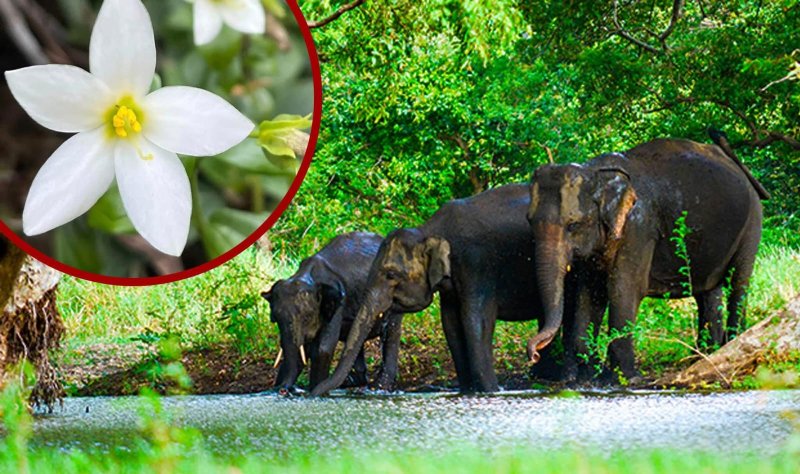
Environmental authorities have also highlighted the forest’s importance as a wildlife corridor. Strategically positioned between two major national parks, the reserve enables the natural movement of wild elephants across habitats. This connectivity is expected to play a key role in reducing human-elephant conflict, a persistent issue in the region. By limiting human encroachment and preserving natural pathways, the reserve offers a long-term solution to safeguarding both wildlife and local communities.
In addition to supporting biodiversity and agriculture, the forest contributes to climate resilience. Its canopy helps regulate local temperatures, maintaining cooler conditions even during prolonged dry spells.
The declaration under the “Vanaspathi” program underscores the government’s commitment to conserving critical ecosystems. Authorities emphasize that protecting the Sangamankanda Kattamadu Forest will not only preserve biodiversity but also secure water resources, support livelihoods, and ensure environmental sustainability for future generations.