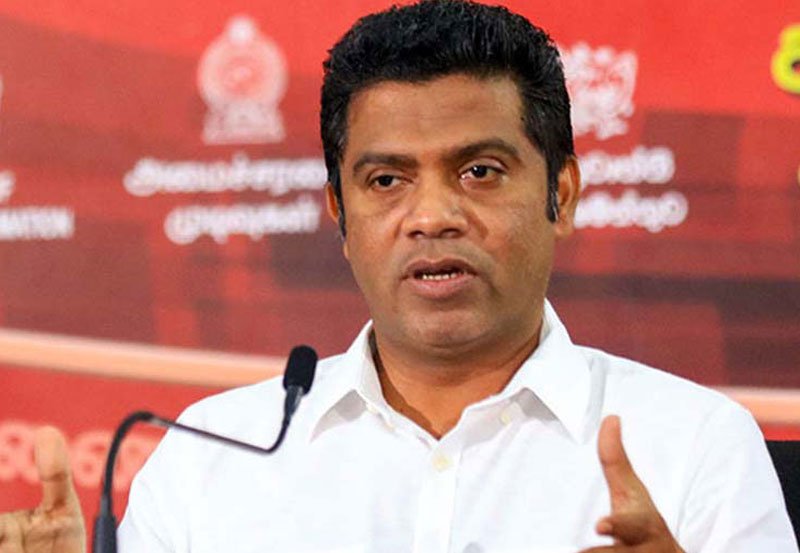
Speaking at a press conference organized by the Department of Government Information, the Minister detailed the government’s efforts to maintain a steady fuel supply despite the volatility in the global market. He noted that a shipment of 37,000 metric tons of petrol had already been received on March 7 and 8, though these stocks reflect the recent surge in international oil prices.
The Minister provided a comprehensive breakdown of the fuel procurement plan following the tender submitted on March 17. According to the schedule, two ships carrying a combined 74,000 metric tons of diesel are expected between April 6 and 8. This will be followed by 35,000 metric tons of Jet A1 fuel on April 10-11, 30,000 metric tons of fuel oil on April 12-13, and 30,000 metric tons of petrol on April 16-17. However, the crude oil shipment originally planned for April has been cancelled; instead, a 30,000-metric-ton crude oil vessel is now slated to arrive in June.
Addressing the recent price revisions, Minister Jayatissa emphasized that the government continues to shield consumers from the full impact of global price increases. He revealed that the state currently absorbs a loss of Rs. 100 per liter of diesel and Rs. 20 per liter of petrol. This subsidy costs the government approximately Rs. 20 billion per month. The Minister warned that if the state were to bear this entire financial burden indefinitely, it would result in an additional annual cost of $1.5 billion, posing a severe threat to the stability of the national economy.
Highlighting the unpredictability of global conflicts, the Minister remarked that the duration of wars in the Middle East remains uncertain and their economic impact—particularly on oil production and infrastructure—cannot be reversed overnight. Consequently, he urged the public to practice conscious fuel consumption. He noted that while the fuel quota for vehicles has been increased as of today, over 5.9 million citizens are now registered with the QR system, including 2 million new registrations, reflecting a collective effort to manage the country’s energy resources responsibly.