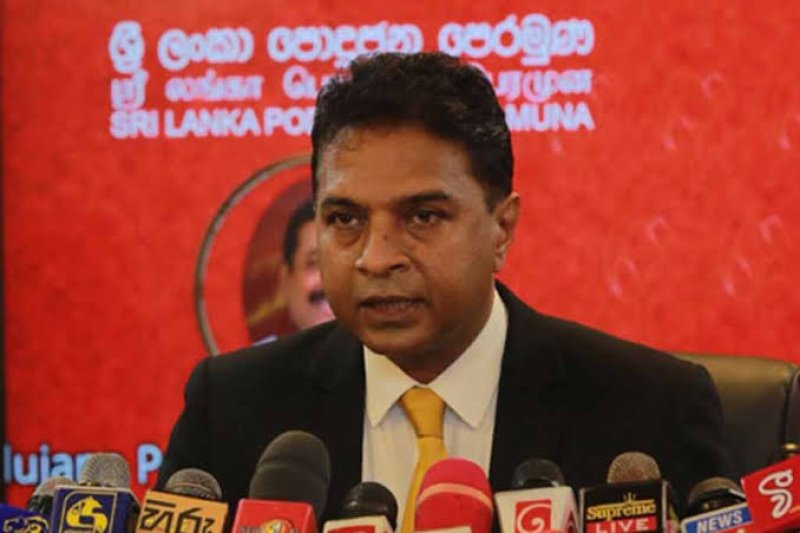
The Deputy Minister explained that while the government was ready to announce the initiative globally through foreign missions, they discovered a "legal barrier" tied to a past deal where visa operations were sold to an outside company without the revenue reaching the state. He noted that the Attorney General’s Department recently filed a motion to process the matter, but admitted that legal complexities are slowing the pace of these reforms.
Highlighting the competitive nature of regional tourism, Minister Ranasinghe pointed out that neighbors like Thailand, Malaysia, and China have already opened their doors to numerous countries. He emphasized that the current surge in tourist traffic to Sri Lanka is largely due to restored global confidence and stability following years of economic instability, such as fuel lines and shortages. "The image of our country is the most important factor for any investment or tourist," he stated, citing improved rankings in international transparency indices as a sign of progress.
Beyond visa issues, the Minister addressed critical infrastructure gaps, particularly at the country's main airport. He remarked that while promotional budgets have increased—with 6 billion rupees planned for this year—marketing alone cannot solve the problem if the "gateway" is too small. He confirmed that airport expansion projects are underway but noted they may not be completed until 2028, stressing that the government is systematically untangling a "long-term web of complications."
The Deputy Minister also shared insights from recent international travel fairs, noting a massive disparity in arrivals compared to regional rivals. Despite the short flight distance from India, Sri Lanka attracted only 500,000 Indian tourists last year, while countries like Thailand saw millions.