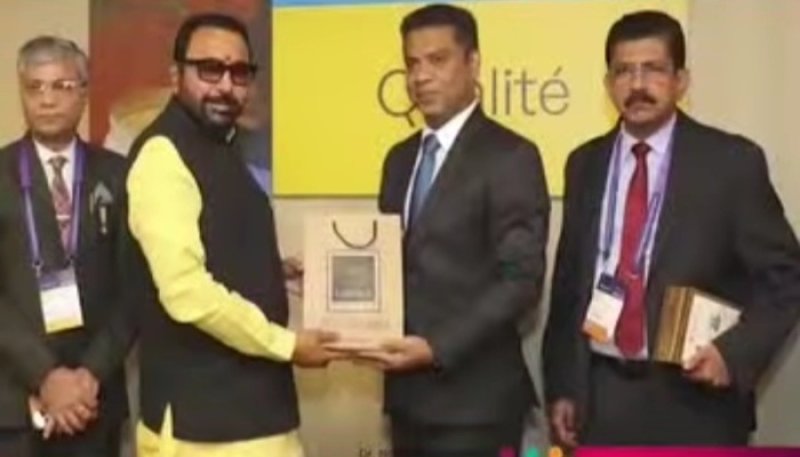
The Second World Health Organization (WHO) Global Summit on Traditional Medicine, co-hosted by the World Health Organization and the Ministry of AYUSH, Government of India, was successfully concluded at Bharat Mandapam in New Delhi, India on 19 December 2025.
Organized to advance evidence, integration and innovation for traditional medicine, the three-day summit took place from 17 to 19 December 2025 and brought together government ministers, scientists, indigenous leaders and practitioners from more than 100 countries.
Key scientific initiatives aimed at implementing and advancing the WHO Global Traditional Medicine Strategy 2025–2034, adopted by the Seventy-eighth World Health Assembly in 2025, were announced at the conference. Discussions included the strengthening of evidence, regulation, systems integration, collaboration and community engagement in traditional medicine. Knowledge-sharing through preservation and propagation of traditional medical systems, fostering inter-relationships between countries, and the launch of related research reports also took place.
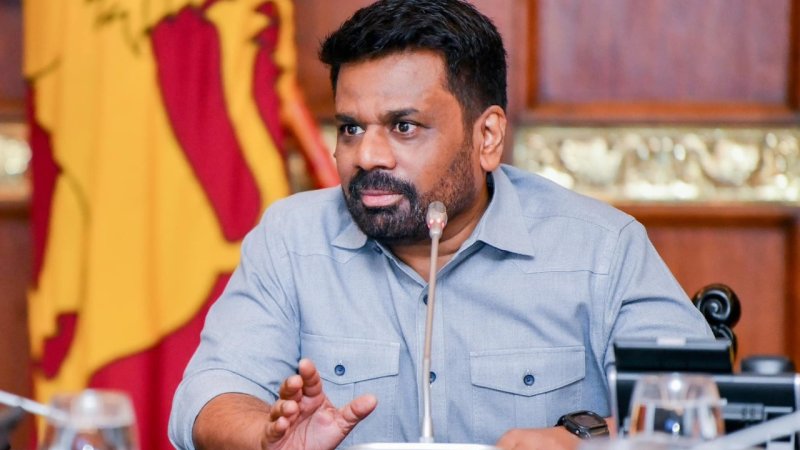
Addressing the closing session on 19 December 2025, Minister Dr. Nalinda Jayatissa said that Sri Lanka will follow a roadmap to ensure sustainable development, regulation and integration of traditional medicine systems with modern healthcare while respecting both cultural heritage and scientific standards.
He also noted that the Ministry of Health of Sri Lanka is working to integrate and implement Western and traditional medical sciences in the “Arogya” primary health care centers that will be established across the country. Since a significant portion of the Sri Lankan population uses traditional medicine, often as the first choice for minor ailments I emphasized further inclusion of traditional medicine in Sri Lanka’s National Health Policy.
The Sri Lankan delegation included Dr. Anil Jasinghe, Secretary of the Ministry of Health; Ayurveda Commissioner General A. M. G. N. Deepti Sumanasena; and Dr. Surangi Sanjeevani Perera, Ayurvedic physician, among others.