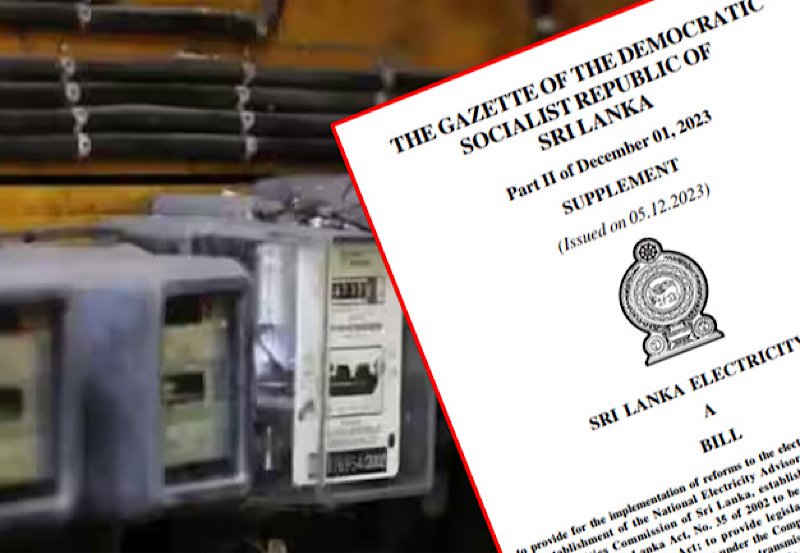
Sri Lanka's Energy Minister, Kanchana Wijesekera, announced that the country has undergone significant revisions to its electricity reform bill, making 26 amendments following feedback from stakeholders and lending agencies.
Addressing concerns raised by political parties, trade unions, and other stakeholders, a total of 46 revisions have been submitted to the Legal Draftsman’s Department for approval, with the revised bill slated for presentation to parliament in April, pending cabinet approval.
One of the main points of contention revolves around the perceived excessive powers granted to the minister in charge under the proposed amendments.
Particularly, concerns have been raised regarding provisions that maintain the state's monopoly on power purchases, raising questions about transparency and fair competition, especially in the realm of renewable energy procurement.
Of notable concern is the reluctance to publicly tender new power plants, particularly those geared towards renewable energy, which has prompted protests.
The proposed changes to allow non-competitive tendering in the electricity sector have sparked controversy, given that Electricity Power Purchase Agreements rank among the largest procurement contracts of the state.
These revisions represent a significant step in the evolution of Sri Lanka's electricity landscape, with stakeholders and government officials striving to strike a balance between fostering competition, ensuring transparency, and meeting the nation's energy needs in an environmentally sustainable manner.