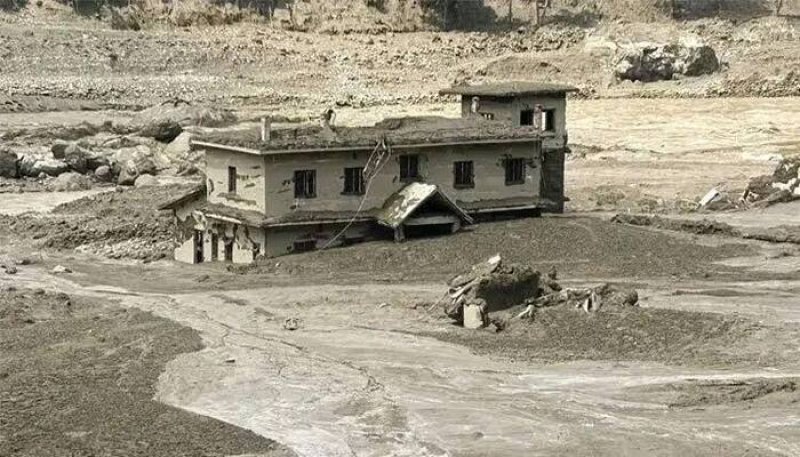
Authorities say at least 359 people have been killed in Nepal, three in Tibet, and nearly 1,400 are missing after glacial floods hit the Himalayan region.
Rescue teams are searching for survivors along the Nepal-China border after the catastrophic torrent of floods and mud swept through several communities on Wednesday. AlJazeera reported.
Chinese Prime Minister Li Qiang visited the affected areas in Tibet, state media said. More than 500 people are missing in Tibet, including hundreds of foreigners.
Countries and organisations around the world are sending cash, relief supplies and other assistance to Nepal as it responds to the aftermath of the floods.
Getting to the survivors is proving to be a huge challenge. Roadways have been damaged.
People are trying to help identify the dead, many majorly disfigured by that wall of water. People are scanning lists – there is a list of the survivors that were lucky enough to be brought to this hospital in Kathmandu.
So far, what we’re being told is that there is only access is by air, so there are helicopters, government helicopters, private commercial helicopters that have been drafted in to fly into these areas, to bring out as many survivors as possible.
But as the doctor here told us the nature of injuries is quite significant. People with their rib cages broken from the sheer impact of the water, their scalps torn off, their skin also badly injured.
You also have members of the security forces manning a desk for registration. Now this is for people who are coming to record their family members who are missing, that they have no trace of – so they are being listed in a central database.
Meanwhile, experts are warning that there is a massive sort of a body, a pool of water which is collecting, which can be deadly if that natural sort of dam safeguard that’s holding it back. If that bursts again, we could see potentially another deluge.
So, anyone on the banks of the river where this flowed downstream, anyone who is thinking of going back, even rescue teams have been put on high alert of the eventuality, not necessarily of a repeat, but certainly another dangerous occurrence.