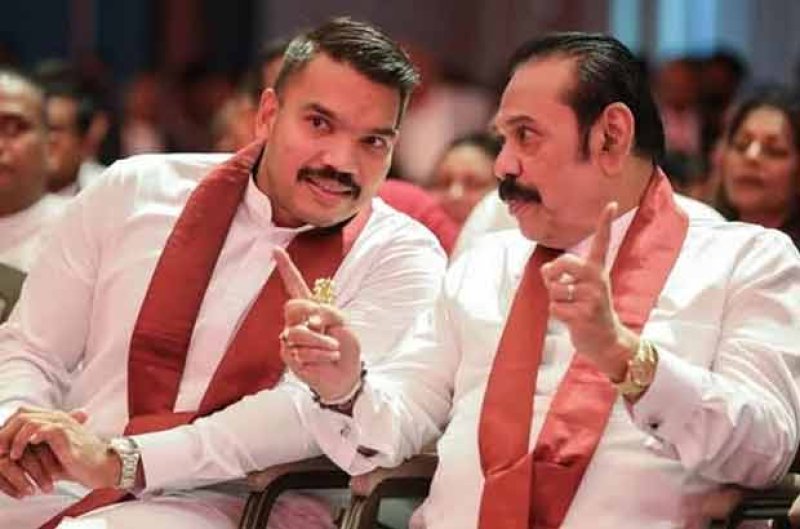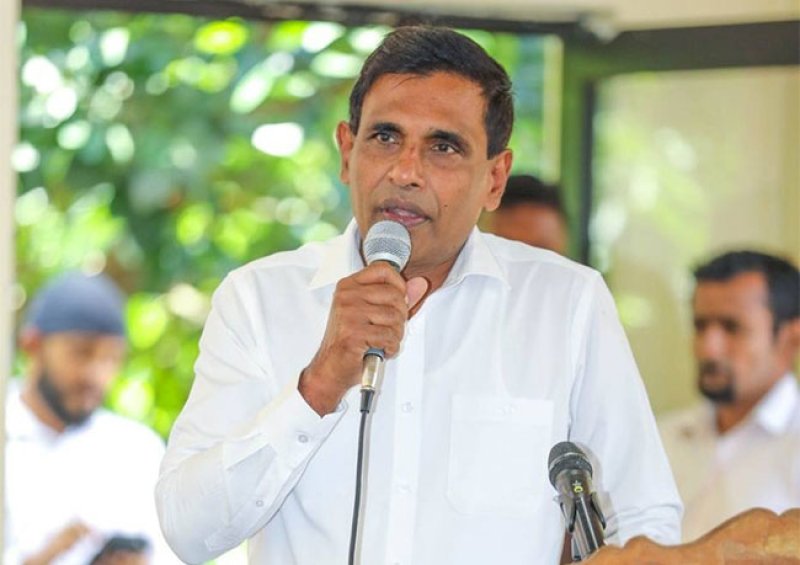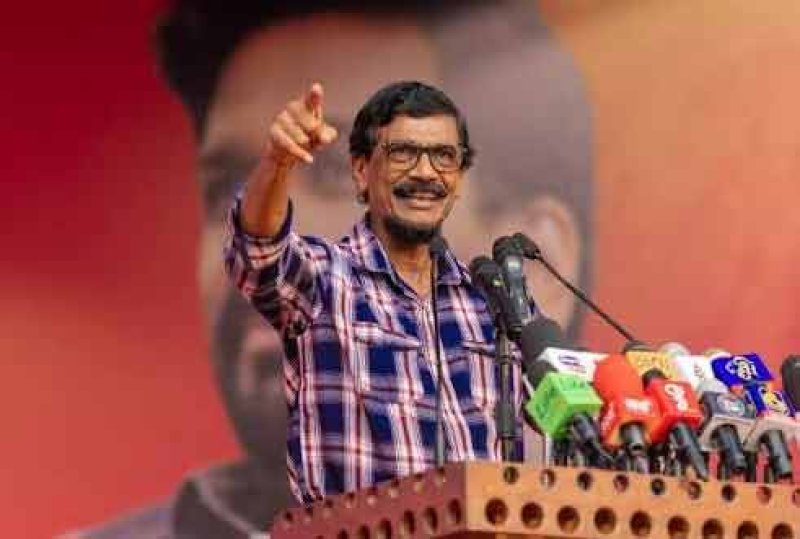
JVP General Secretary Tilvin Silva has criticised what he described as a political culture in Sri Lanka that places excessive importance on fame, personal promotion and the glorification of politicians rather than genuine public service.
Speaking about political leadership and public responsibility, Silva said many politicians appear more interested in publicity and power than in serving the people. He contrasted this approach with the life and political philosophy of former Cuban leader Fidel Castro, whom he described as an example of leadership based on responsibility and service rather than personal glory.
Silva argued that publicity should be a consequence of meaningful work, rather than something politicians actively pursue. He referred to the writings of Cuban national hero and poet José Martí, saying that even the combined fame of the world is ultimately insignificant.
According to Silva, leaders such as Castro and revolutionary figure Che Guevara did not engage in their political struggles with the aim of becoming famous or having their names recorded in history. Instead, he said, their actions and dedication to their causes naturally created lasting legacies.
Silva also criticised the practice in Sri Lanka of naming public institutions and infrastructure, including schools, playgrounds and roads, after politicians. He said such practices had become widespread and reflected what he described as the personal egos of political leaders.
He questioned the value of placing politicians’ names on public property when those individuals may not have earned a lasting place in the hearts of the people through their work.
Silva pointed to Cuba as a contrasting example, saying Castro’s name was not routinely used for public institutions as a matter of policy. He noted that only exceptional circumstances, such as the establishment of a museum, resulted in a limited constitutional exception.
The JVP General Secretary argued that politicians who feel the need to place their names on public buildings and infrastructure may be attempting to create a legacy through signs and monuments rather than through their achievements.
He said genuine public servants should instead focus on serving the people, arguing that leaders who dedicate themselves sincerely to the public will be remembered naturally without having their names displayed on schools, roads or playgrounds.
Silva said this should be the standard of leadership expected from politicians and public representatives, with service to the people taking precedence over personal recognition and political self-promotion.