Sri Lanka is preparing to connect electricity stored in battery energy storage systems to the national grid within the next two weeks, marking what is expected to be a historic milestone in the country’s energy sector.
The government says the initiative will also represent a significant benefit for the general public by improving grid stability and reducing reliance on costly diesel power generation during nighttime hours.
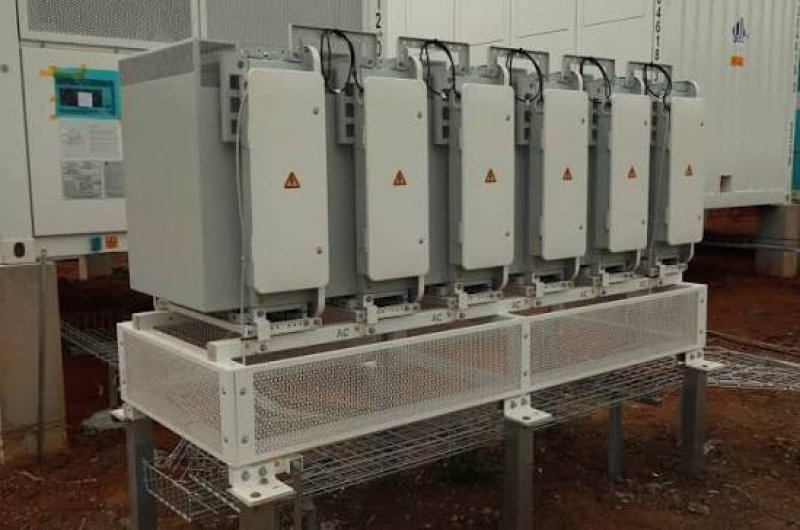
Construction of commercial-scale battery energy storage systems planned for connection to 16 electricity transmission substations across the country is currently nearing completion.
The battery systems have been brought into Sri Lanka in three separate shipments over the past several months through the ports of Colombo and Trincomalee.
Construction of a project near the Galle Substation, being carried out by Galilibase in Bataduwa, Galle, has also reached its final stage.
Under the project, excess electricity generated by solar power systems during the daytime will be stored in battery systems through the substations. The stored electricity can then be released back to the national grid through the substations during nighttime, according to demand.
The system is expected to help prevent instability in the national electricity grid while reducing the amount of electricity required from diesel power plants during peak nighttime demand.
Each battery storage project will have the capacity to supply 10 megawatts of electricity to the national grid.
The NSO company under the Ministry of Energy will be responsible for the control and management of the battery energy storage systems.
The government says it plans to pass on the benefits generated by these projects to electricity consumers in the future.
Meanwhile, procurement activities are underway to install similar battery storage systems at a further 23 substations. Once completed, the additional projects are expected to contribute around 160 megawatts of electricity to the national grid.
The government is planning to connect the initial battery-stored energy systems to the national grid in early September.