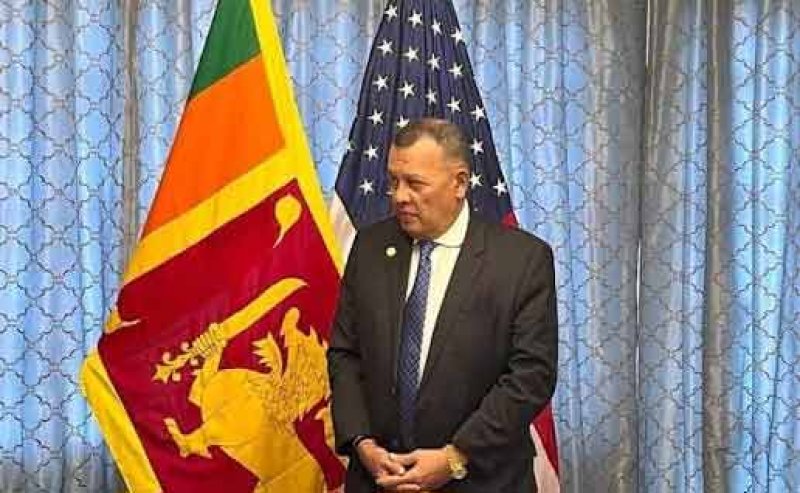
Former Sri Lankan Ambassador to the USA Mahinda Samarasinghe has outlined his views on Sri Lanka’s diplomatic strategy, trade relations and engagement with major global powers, including the United States.
Former Sri Lankan Ambassador to the USA Mahinda Samarasinghe has outlined his views on Sri Lanka’s diplomatic strategy, trade relations and engagement with major global powers, including the United States.
Speaking in an interview, Samarasinghe rejected claims that the United States interferes in Sri Lanka’s internal governance, saying there was no evidence to support such allegations. He said the U.S. had historically sought to assist Sri Lanka and stressed that successful diplomacy depended on professionalism rather than political alignment.
Samarasinghe said he earned the respect of his American counterparts by being well prepared for discussions and maintaining a high level of professional integrity. He said effective diplomacy required a clear understanding of issues, detailed preparation and the ability to engage constructively with foreign officials.
Addressing the controversial Hambantota Port agreement, Samarasinghe said the decision to lease the port was primarily a financial measure aimed at helping the government manage the country’s debt burden, rather than a decision made under foreign pressure.
He said efforts were made during his tenure to ensure that Sri Lanka’s national security interests were protected through appropriate checks and balances in the agreement. According to Samarasinghe, the Sri Lanka Navy retained control over the entry of ships, while the Ministry of Defence had the final authority over which vessels could dock, ensuring that security considerations remained under Sri Lankan control.
Samarasinghe also spoke about Sri Lanka’s efforts to secure the GSP+ trade facility, which has provided important benefits to Sri Lankan exporters. He described the achievement as the result of a broader government effort, while highlighting the importance of his professional relationships, research and technical preparation in negotiations with U.S. officials.
He said detailed technical information and data provided during the discussions helped Sri Lanka make a strong case for favourable trade terms, giving local exporters a competitive advantage in international markets.
Looking ahead, Samarasinghe cautioned the current administration that international trade arrangements require continuous attention and engagement. He noted that the United States regularly monitors issues such as labour practices and allegations of forced labour when reviewing trade relationships.
He warned that trade concessions could be affected if Sri Lanka fails to maintain the required international standards. Samarasinghe stressed that the government should adopt a proactive, informed and professional approach to international relations to protect the country’s trade benefits and strengthen its ties with major global partners.