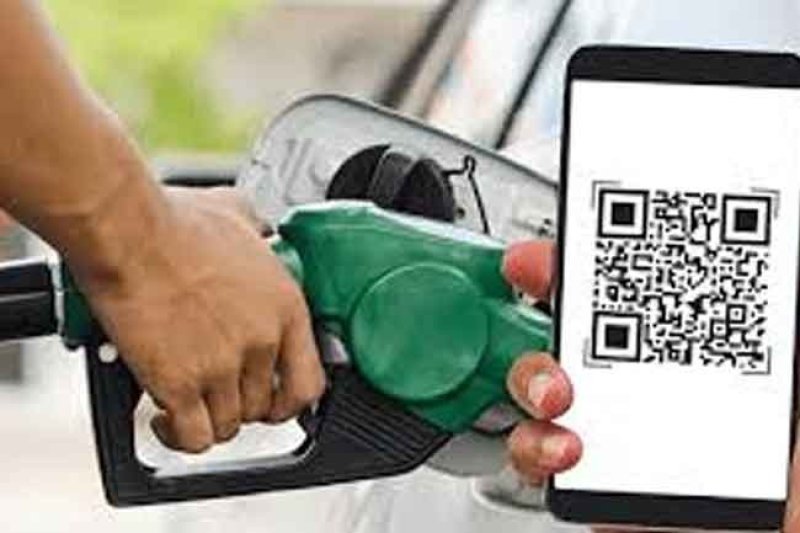
Addressing a media briefing, the Minister stated that managing fuel demand has become a key priority amid rising global fuel prices and mounting pressure on the country's foreign reserves. He noted that while fuel consumption declined after the introduction of the QR code and quota systems, usage levels remain above the targets set by the government.
Karunatilake pointed out that the country's expenditure on fuel imports has increased significantly in recent months, resulting in a substantial drain on foreign exchange reserves. According to the Minister, fuel import costs stood at US$186 million in January and US$97 million in February, before rising sharply to US$524 million in May.
He warned that the current trend is unsustainable and could have serious consequences for the economy if immediate measures are not taken to reduce fuel consumption and curb dollar outflows.
The Minister further stated that unchecked fuel demand could lead to further increases in domestic fuel prices and place additional strain on economic recovery efforts.
To address the situation, the Ministry of Energy, together with the Ceylon Petroleum Corporation and the Ministry of Digital Infrastructure, is planning to strengthen the implementation of the fuel QR code system and ensure stricter compliance with fuel quotas.