Organizers of Dansalas are now required to register with their local Medical Officer of Health (MOH) offices before operating, as Public Health Inspectors prepare to carry out on-site inspections and provide mandatory health guidance throughout the festival period.
Officials said the move is aimed at preventing food-borne illnesses and ensuring public safety during one of the country’s largest religious food-sharing traditions. They cautioned that Dansalas failing to meet hygiene standards will not be allowed to function under any circumstances.
The guidelines place strong emphasis on clean water usage, safe storage practices, and proper wastewater disposal systems to prevent contamination and roadside pollution. Organizers are also instructed to ensure waste is collected in covered bins and that all sites are thoroughly cleaned after operations conclude.
Strict personal hygiene rules have also been introduced for volunteers, with authorities barring individuals suffering from contagious or skin diseases from participating in food preparation or distribution. Smoking, alcohol consumption, and chewing betel within Dansala premises have also been completely banned.
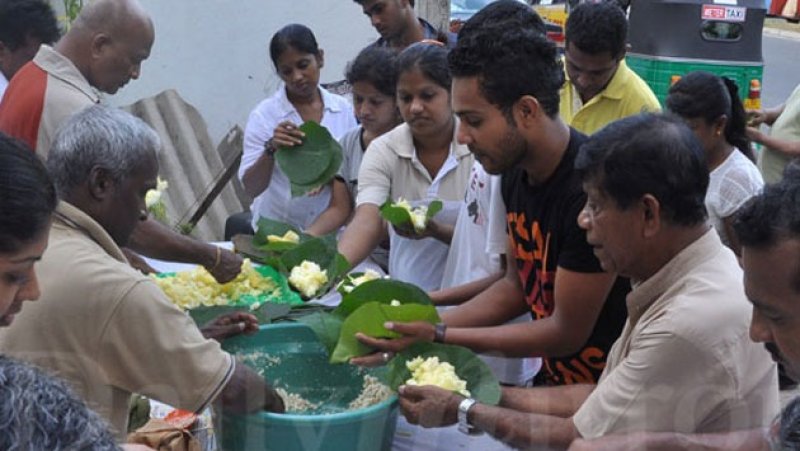
For food-based Dansalas such as rice and gram stalls, officials have mandated proper kitchen spacing away from toilets and drainage areas, sanitized utensils, and continuous food covering to prevent insect contamination. Staff must also wear protective gear including gloves, masks, and head coverings, along with maintaining proper handwashing facilities.
Separate safety standards have been issued for beverage and ice cream stalls, including refrigeration requirements, sanitized serving equipment, and sufficient waste management facilities.
Health officials say the tightened regulations are designed to preserve the cultural and religious spirit of Vesak while ensuring public health is not compromised during large-scale community food distribution events.