Instructions issued to develop the Sacred City as an environmentally sensitive zone by reducing traffic congestion and establish an organised, green transport system for pilgrims
President Anura Kumara Dissanayake has instructed that the Anuradhapura Sacred City Development Plan be reviewed, with new proposals incorporated, and that work on the project commence within this year.
Accordingly, the President further instructed the Director General of the National Physical Planning Department to ensure that the relevant plan is presented to the Anuradhapura Sacred City Development Committee on the 8th of next month, without allowing the project to be unnecessarily delayed, and that the complete detailed plan for the project be finalised by the 15th.
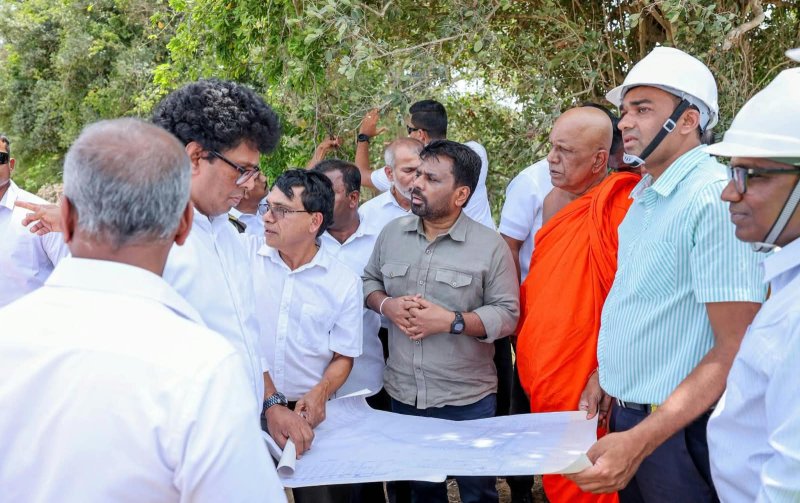
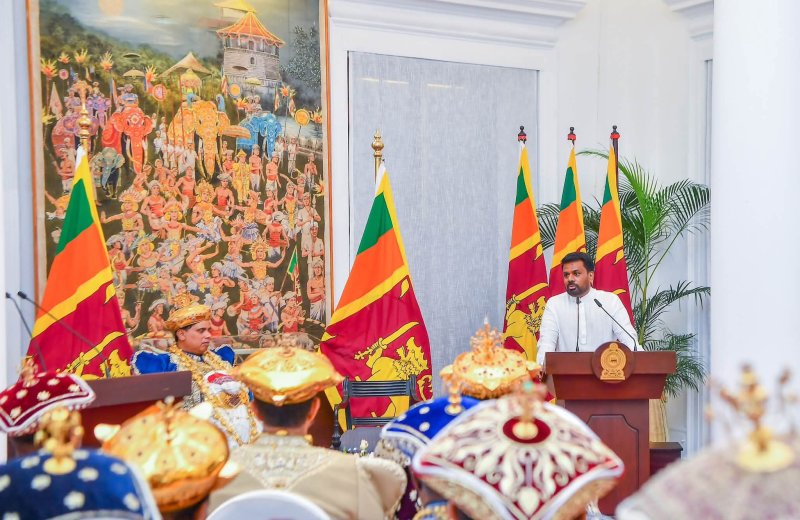
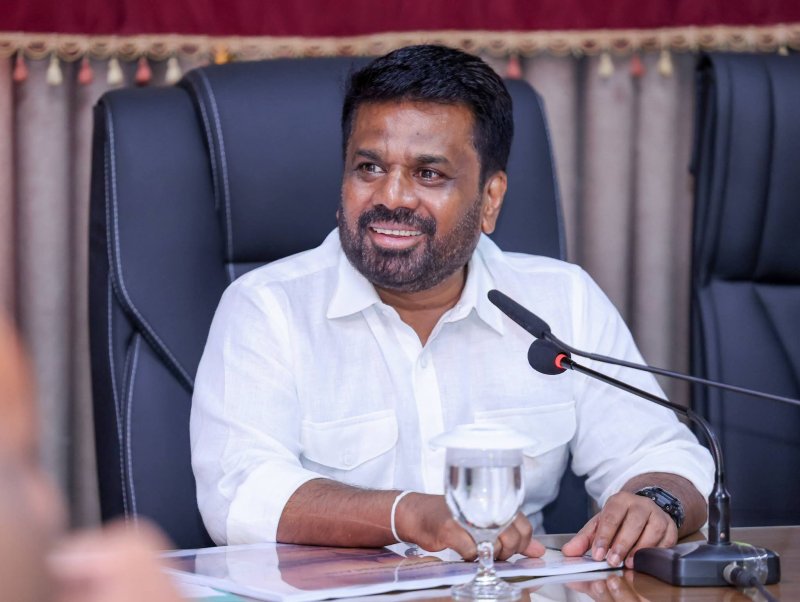
President Anura Kumara Dissanayake issued these instructions while participating in a discussion on the Anuradhapura Sacred City Development Plan held at the Anuradhapura District Secretariat yesterday (29) afternoon.
Special attention was paid to improving facilities for devotees as well as enhancing green transport facilities within the Sacred City. The President highlighted the need to develop the Sacred City as an environmentally sensitive zone while reducing traffic congestion.
Accordingly, the President instructed that environmentally harmful diesel vehicles be restricted within the Sacred City and that an organised circular transport service using electric buses be introduced instead. He also instructed that the buses be brought under the Municipal Council and operated as a regular daily service. The President further emphasised the importance of establishing a convenient and well-organised transport system within the Sacred City for pilgrims visiting the Atamasthana, the eight sacred sites.
Discussions were also held on encouraging devotees to travel on foot and providing the facilities they require. The construction of separate lanes for pedestrians and cyclists was discussed, as was the establishment of rest areas in a cool environment for devotees arriving by train and bus.
The President further stressed the importance of providing the necessary facilities for devotees by considering the archaeological sites in the Anuradhapura Sacred City not merely as “ruins” abandoned by people, but as “living historical sites” that continue to be venerated by the public to this day.
The Anuradhapura Sacred City Development Project is being upgraded, with the contribution of the Government of India, to an investment of up to Rs. 6.5 billion on the President’s instructions. The plans and future programme relating to the project were discussed extensively at the meeting.
The President pointed out the importance of clearly distinguishing, when planning the overall project, between the components to be carried out by UNESCO and those to be implemented with the assistance of the Government of India. He said this would enable everyone, including the Maha Sangha, to gain a clear understanding of the overall project.
Under the project, the existing Sacred City boundary, which currently covers 28 square kilometres, will be expanded and developed to cover 38 square kilometres. The President pointed out the need to prioritise tasks and prepare a systematic programme of work to prevent development activities from being delayed due to archaeological excavation work.
He also highlighted the need to consult the relevant institutions when implementing the project plans, obtain preliminary approval for each project individually, and then commence work.
Extensive discussions were also held on the resettlement of 331 families residing in the Inner City area in Lolugaswewa and on a fair compensation mechanism. The President instructed the Divisional Secretary and Chief of Presidential Staff Prabath Chandrakeerthi to directly intervene and discuss with the residents the alternative arrangements available, such as providing them with land, houses or financial compensation, and make a decision accordingly.
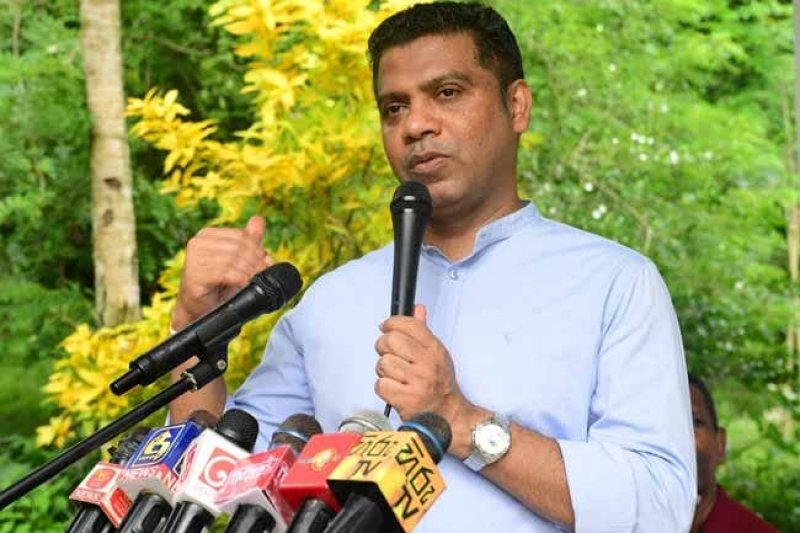
Members of the Maha Sangha representing the Atamasthana, public representatives including Minister of Trade, Commerce, Food Security and Cooperative Development Wasantha Samarasinghe and Minister of Housing, Construction and Water Supply Susil Ranasinghe, and Anuradhapura District Secretary Ranjith Wimalasuriya were among those present. Heads and senior officials representing the National Physical Planning Department, Urban Development Authority, Central Cultural Fund, Department of Archaeology and other relevant institutions also participated in the meeting.