Pope Francis’ death fires the starting gun on what many see as a battle for the soul of the church – pitting those who want to continue his progressive reforms against a small but powerful group who want to reverse them.
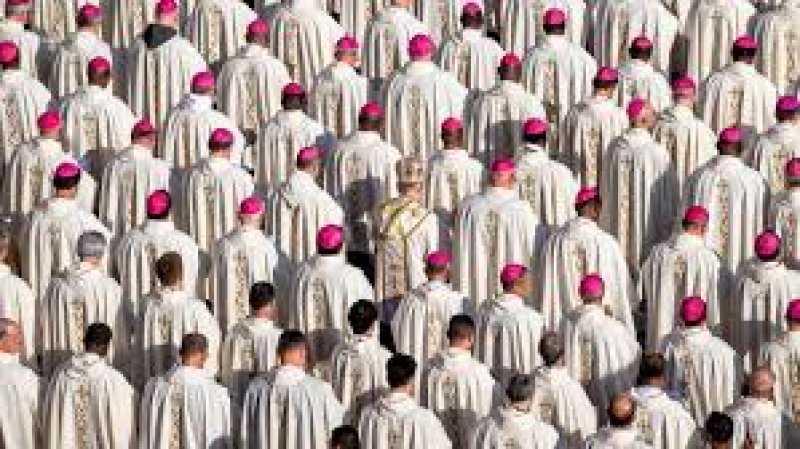
Francis dramatically reshaped the group of prelates who will soon cast their votes for his successor in front of Michelangelo’s fresco of The Last Judgment in the Sistine Chapel.
Only cardinals under the age of 80 have a vote, and he chose most of them.
The first pontiff from the Global South, he decided to rip up the old, unwritten rule book which saw bishops of certain dioceses – most of them in Italy, Europe and the United States – automatically being made cardinals.
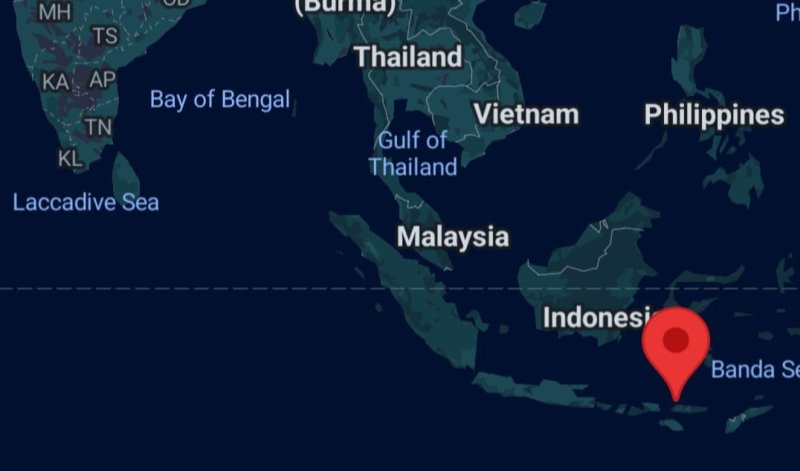
Instead, Francis sought to internationalize the College of Cardinals, giving red hats to a host of countries that had never been represented by a cardinal before, such as Tonga, Myanmar, Mongolia, the Central African Republic and Haiti.
His reforms made the body more representative of the global Catholic community, while the cardinals he selected, by and large, share his vision of the Church. All of this makes it more likely that the cardinals will choose a pope who represents continuity with Francis.