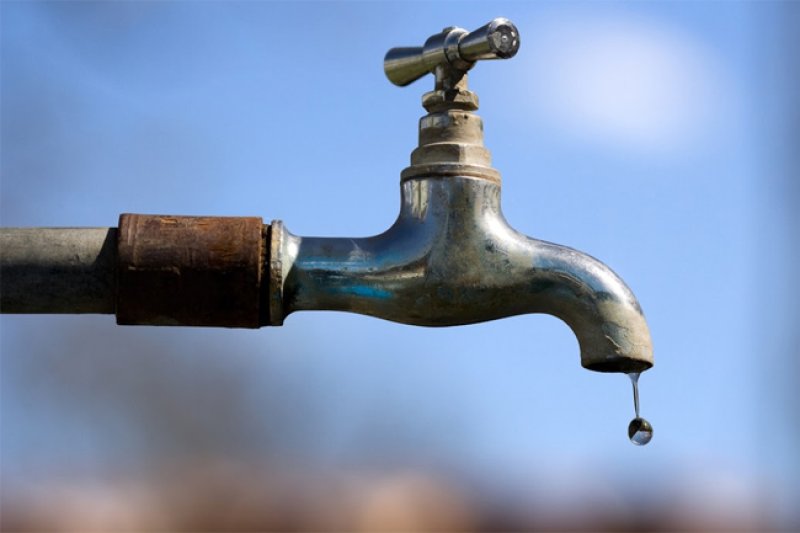
The ongoing dry weather conditions across the island have led to significant disruptions in both water and electricity supplies.
The National Water Supply and Drainage Board (NWSDB) has confirmed that several regions, including Colombo, Kalutara, Ratnapura, Matara, and Kandy, are experiencing water shortages due to rapidly decreasing water levels in reservoirs and other water sources.
In response to the worsening situation, the NWSDB has urged the public to conserve water by limiting its use for non-essential activities such as vehicle washing and gardening. Water supply disruptions have prompted the NWSDB to deploy bowser trucks to deliver water to the most severely affected areas.
Meanwhile, the Ceylon Electricity Board (CEB) has reported a rise in electricity generation costs, largely due to the reduced water supply affecting hydroelectric power plants. CEB Media Spokesperson Dhammika Wimalaratne explained that to meet the increasing demand, more thermal and fuel oil power plants have been activated. The Norochcholai Power Plant is being operated at full capacity, and the Kelanitissa ‘Naphtha’ and Sapugaskanda Power Stations have also been brought into service.
Hydroelectric plants, which typically provide a significant portion of the island’s electricity, now account for only 20% of total daytime generation, with their contribution increasing to 40% at night. Solar power plants are being used as an additional source of electricity during the day.
The public is urged to remain vigilant and conserve resources as both the water and energy sectors continue to battle the challenges posed by the dry weather.