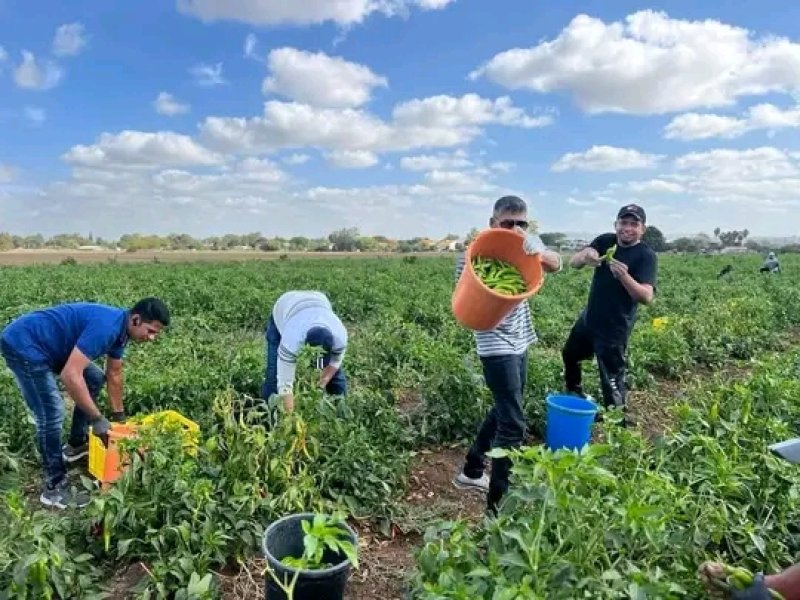
A delegation from Israel's Population and Immigration Authority (PIBA) is scheduled to visit Sri Lanka next week to address various issues faced by Sri Lankan nationals working in Israel's agricultural sector. One of the key topics of discussion will be the agreement that new recruits must sign before being selected for agricultural jobs in Israel.
Srilankan Ambassador to Israel Mr.Nimal Bandara told Ziradaily that according to the new regulations, all individuals chosen for agricultural work in Israel will be required to sign a detailed agreement, available in both Sinhala and English.
The agreement outlines the workers' job responsibilities, salary structures, housing conditions, and the consequences for violating any of its clauses. Importantly, it stipulates that workers who breach any terms may be sent back to Sri Lanka.
Prospective agricultural workers are advised to take note of several important points before making the decision to travel to Israel:
Extreme Climate: Israel's climate can be harsh, especially during the summer months of May, June, and July, when temperatures in some desert regions can soar to 44°C. Workers should be prepared to endure such extreme heat. Conversely, the winter months—November, December, and January—can be particularly cold, making outdoor work challenging, especially for individuals with respiratory issues such as asthma or the common cold.
Living Conditions: Workers will be housed in group accommodations, separate from farm locations. Some farms, particularly those in remote desert areas, may offer container housing.
Physical Fitness: Many farms are located in areas near the Gaza Strip, southern Lebanon, and the West Bank, where the terrain can be difficult. Workers should be in good physical health to endure the demands of the job and environment.
Health and Addiction Concerns: The program discourages individuals with long-term alcohol or drug addictions from applying, emphasizing the need for workers to be in good mental and physical health.
Work Targets and Salary: Workers in the agricultural sector will be given daily targets—such as collecting 30 large boxes of oranges per day. Failure to meet targets will result in a reduction of their salary, based on the number of boxes not completed.
Security Risks: Workers in certain areas of Israel may be exposed to the sounds of shells, rockets, or missiles fired by terrorist groups. While Israel's Iron Dome defense system intercepts such threats, individuals who are uncomfortable with these conditions are advised not to apply.
Visa Violations: Since January 2024, over 2,700 Sri Lankans have traveled to Israel for agricultural work. However, many have faced legal issues, with some having their visas revoked for leaving their assigned farms to work illegally elsewhere. This has led to periodic arrests of individuals working without proper documentation.
The PIBA delegation's visit aims to ensure that potential workers are fully aware of the conditions and legal responsibilities they will face while working in Israel's agricultural sector.