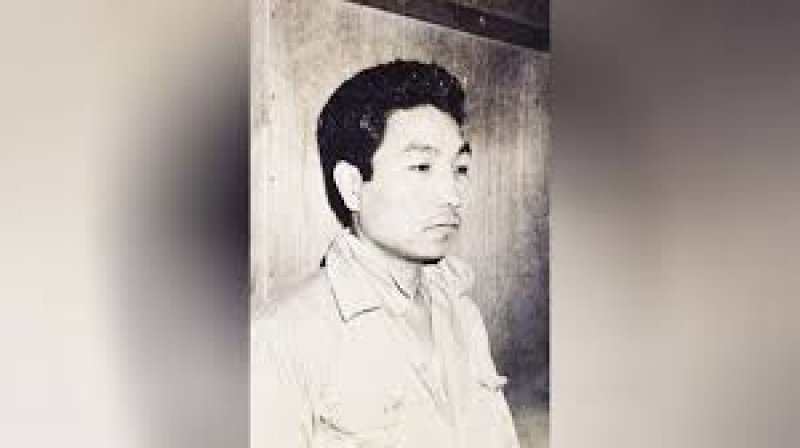
A pair of blood-spattered trousers in a miso tank and an allegedly forced confession helped send Iwao Hakamata to death row in the 1960s.
Now, more than five decades later, the world’s longest-serving death row prisoner has been declared innocent, according to national broadcaster NHK.
A Japanese court on Thursday acquitted 88-year-old Hakamata, who was wrongfully sentenced to death in 1968 for murdering a family, marking the end of a marathon legal saga that’s brought global scrutiny to Japan’s criminal justice system and fueled calls to abolish the death penalty in the country.
During the retrial, Hakamata’s lawyers argued that new information proved his innocence, while prosecutors claimed there was enough evidence to confirm he should be hanged for the crime.
Once a professional boxer, Hakamata retired in 1961 and got a job at a soybean processing plant in Shizuoka, central Japan – a choice that would mar the rest of his life CNN reported
When Hakamata’s boss, his boss’s wife, and their two children were found stabbed to death in their home in June five years later, Hakamata, then a divorcée who also worked at a bar, became the police’s prime suspect.
After days of relentless questioning, Hakamata initially admitted to the charges against him, but later changed his plea, arguing police had forced him to confess by beating and threatening him.
He was sentenced to death in a 2-1 decision by judges, despite repeatedly alleging that the police had fabricated evidence. The one dissenting judge stepped down from the bar six months later, demoralized by his inability to stop the sentencing.
Hakamata, who has maintained his innocence ever since, would go on to spend more than half his life waiting to be hanged before new evidence led to his release a decade ago.
After a DNA test on blood found on the trousers revealed no match to Hakamata or the victims, the Shizuoka District Court ordered a retrial in 2014. Because of his age and fragile mental state, Hakamata was released as he awaited his day in court.
The Tokyo High Court initially scrapped the request for a retrial for unknown reasons, but in 2023 agreed to grant Hakamata a second chance on an order from Japan’s Supreme Court.
Retrials are rare in Japan, where 99% of cases result in convictions, according to the Ministry of Justice website.