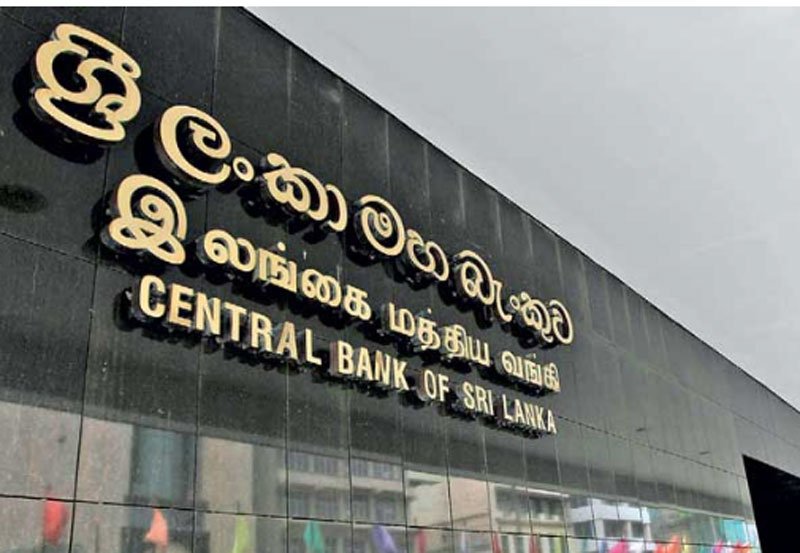
The Central Bank of Sri Lanka (CBSL) has rolled out the Banking (Amendment) Act, No. 24 of 2024, which came into effect on June 15, 2024, marking a pivotal moment in the regulation of the country's banking industry.
Key provisions of the Banking (Amendment) Act include stringent minimum licensing requirements for bank eligibility, criteria ensuring shareholder suitability, and provisions empowering the subsidiarization of foreign banks if deemed necessary.
The legislation also introduces enhanced measures on bank ownership, consolidated supervision practices, and proportional regulations. Moreover, it broadens provisions governing large exposures and strengthens regulations on related party transactions.
A core focus of the amendments is bolstering governance within licensed commercial banks and specialized banks, including state-owned entities, by reinforcing assessments of the fitness and propriety of directors, CEOs, and key management personnel.
The act also mandates improved standards for financial statements, audit processes, and enhances capital and liquidity frameworks for banks.
According to the CBSL, these reforms aim to enhance the resilience of Sri Lanka's banking sector by aligning with current regulatory frameworks, economic trends, and international best practices in prudential requirements.
The amendments were formulated following consultations with stakeholders such as the banking sector, auditors' panels conducting bank audits, and other relevant regulators. Their input was instrumental in shaping regulations that adapt international standards to local banking realities.
In addition, the CBSL has issued new regulations and instructions to licensed banks to facilitate the smooth implementation of the Banking (Amendment) Act, ensuring compliance across the sector.