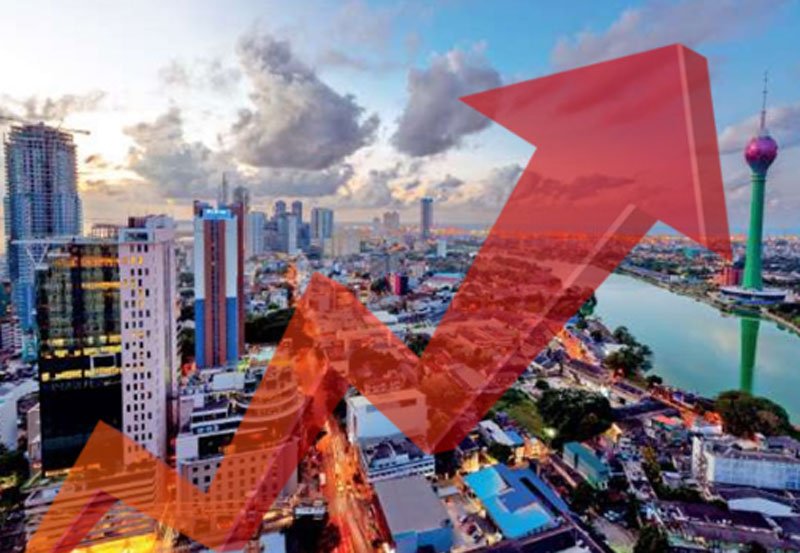
Sri Lanka's economy exhibited robust growth, expanding by 5.3% year-on-year in the initial quarter of 2024, according to official data released on Friday. The positive figures mark significant progress as the nation endeavors to emerge from its severe financial crisis.
The Census and Statistics Department of Sri Lanka reported that the agriculture sector experienced a modest growth of 1.1%, while industrial output surged by 11.8% and services expanded by 2.6% compared to the same period last year. Factors contributing to this growth include a favorable base effect, increased foreign currency liquidity, eased import restrictions, and a revival in tourism.
The economic turnaround comes after a tumultuous period in 2022, characterized by a sharp contraction of 7.3% amid a dire dollar shortage, soaring inflation, currency depreciation, and a historic default on foreign debt. Although Sri Lanka received a $2.9 billion bailout from the International Monetary Fund (IMF) in 2023, the economy contracted by 2.3%.
Encouragingly, the economy demonstrated signs of recovery in 2023, posting 4.5% growth in the fourth quarter, setting a promising trajectory for further improvement in 2024. Analysts project a growth rate of approximately 3% for the year, with expectations of stronger performances in the latter half, supported by declining energy prices.
Meanwhile, the Central Bank of Sri Lanka has implemented significant rate cuts totaling 700 basis points since June last year, aiming to enhance economic stability and stimulate growth. The bank expects inflation to remain within its target of 5% for 2024.
While the IMF approved the second review of Sri Lanka's program, increasing total funding to $1 billion, it cautioned that the economy remains vulnerable despite signs of recovery. The global lender urged Sri Lanka to undertake further measures to address its substantial debt burden and ensure sustained economic stability.