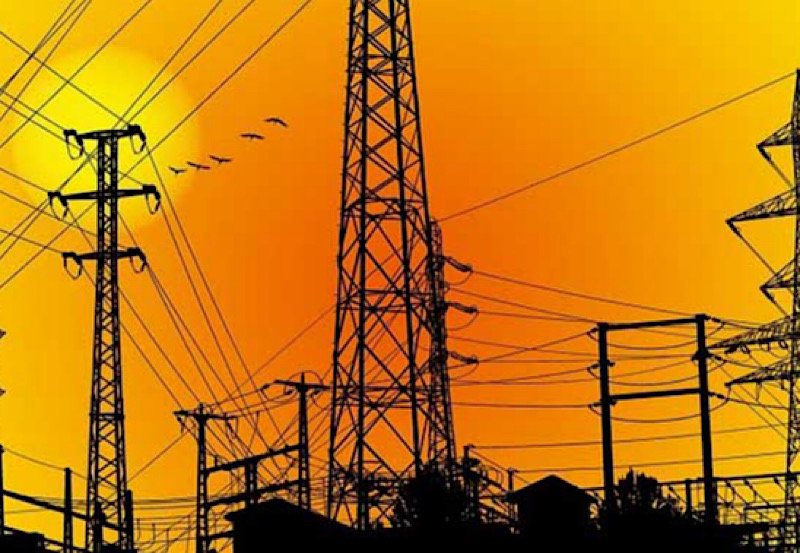
The Supreme Court has identified several clauses in the proposed ‘Sri Lanka Electricity Bill’ as inconsistent with the Constitution of Sri Lanka.
According to the Court's determination, some clauses can only be passed by a special majority in Parliament, and one clause necessitates approval via a referendum, as informed by the Speaker of the House.
The Supreme Court has also noted that these contentious clauses could be enacted with a simple majority if they are amended in accordance with the Court's recommendations.
The hearing of petitions challenging the bill began on May 9 before a three-member Supreme Court bench, including Justices Vijith Malalgoda, Shiran Gunaratne, and Arjuna Obeysekera. Additional Solicitor General Viveka Siriwardena, representing the Attorney General, argued that the bill aims to enhance the efficiency of electricity generation, distribution, and sale, while ensuring convenience for consumers.
Following these submissions, attorneys for the petitioners, including representatives of 14 parties such as Ranjan Jayalal, Secretary of the Ceylon Electricity Workers’ Union, presented their cases.