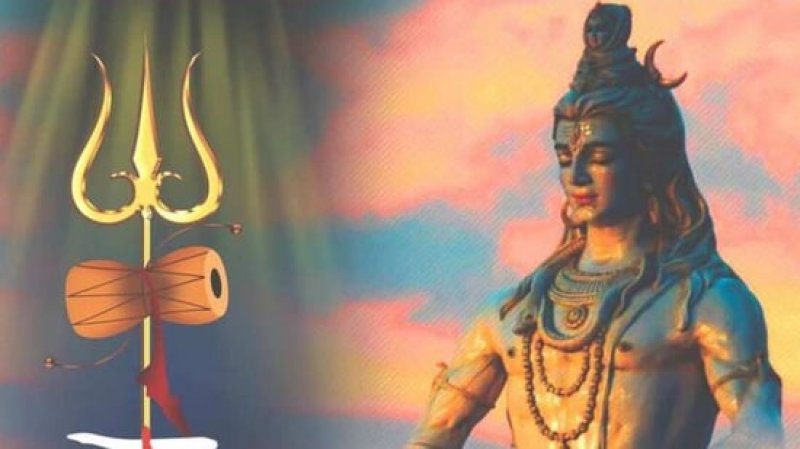
Maha Shivratri is a major festival celebrated by Hindus and holds immense religious and cultural significance. The festival honouring Lord Shiva, the supreme deity of destruction and regeneration, is celebrated annually between February and March
According to Hindu calendar, Maha Shivratri the festival is observed on the fourteenth (Chaturdashi) day of the dark half of the lunar month of Phalguna or Magha. On this day, prayers are offered to overcome darkness and ignorance in a person's life. Devotees hold day and night fast and make ritual worship of Lord Shiva.
This year, the festival will be celebrated on March 8. Maha Shivratri is celebrated in many states across India. Apart from fasting, devotees also observe abstinence and engage in prayer and meditation throughout the day, seeking divine blessings and spiritual enlightenment.
Temples dedicated to Lord Shiva witness an influx of devotees, who offer prayers, perform rituals, and participate in night-long vigils, known as 'Jagaran', chanting hymns and singing devotional songs in praise of Lord Shiva.
On March 8, 2024, the Chaturdashi Tithi (fourteenth day) will begin at 09:57 pm and end at 6.17 pm on March 9. The Nishita Kaal Puja Time will begin at 12:07 am and end at 12:56 am on March 09.
The night of Maha Shivratri is believed to be particularly auspicious, as it is linked to Lord Shiva's divine dance, the Tandava that symbolises the eternal cycle of creation, preservation and destruction. It is customary for devotees to visit Shiva temples and offer "bilva" leaves, milk, honey, and water to the deity's iconic lingam, representing purity and devotion.
Rooted in ancient Hindu scriptures, the origin of Maha Shivratri dates back to the Puranas, where the legend of the churning of the ocean, or Samudra Manthan, unfolds. According to Hindu mythology, during this celestial event, a pot of poison emerged from the ocean, threatening to destroy the world.