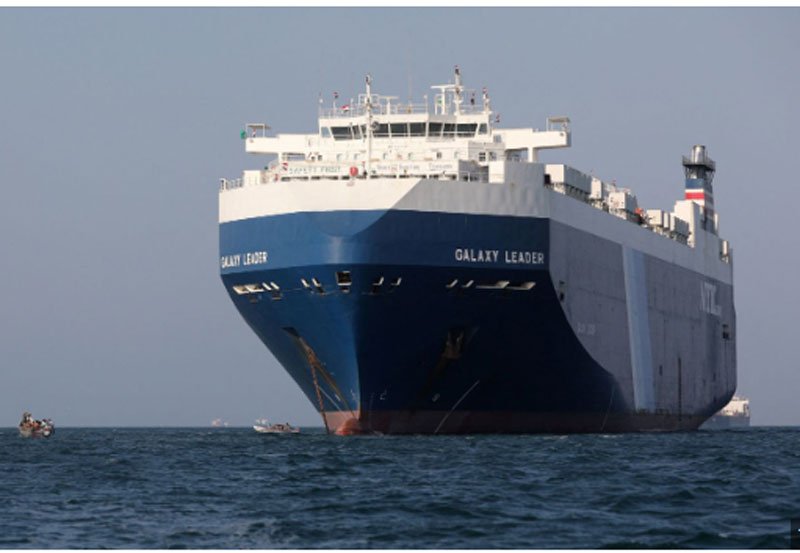
In a recent report, the United Nations Conference on Trade and Development (UNCTAD) highlights the severe impact of attacks on commercial vessels in the Red Sea, which have intensified challenges already facing global trade and supply chains.
The Red Sea crisis, according to UNCTAD, compounds existing disruptions in the Black Sea resulting from the conflict in Ukraine. These disruptions have caused significant shifts in oil and grain trade routes, altering established patterns and creating further complexities in global trade dynamics.
Simultaneously, the Panama Canal, a vital link between the Atlantic and Pacific oceans, confronts a distinct challenge. Concerns over dwindling water levels have raised questions about the long-term resilience of global supply chains, emphasizing the fragility of the world's trade infrastructure.
UNCTAD estimates reveal a significant decrease in transits passing through the Suez Canal, amounting to a 42 percent reduction compared to its peak. Major players in the shipping industry have temporarily suspended Suez transits, resulting in a 67 percent decline in weekly container ship transits, as well as notable decreases in container carrying capacity, tanker transits, and gas carriers.
Meanwhile, total transits through the Panama Canal have plummeted by 49 percent compared to its peak, reflecting the magnitude of the challenges facing global maritime trade.