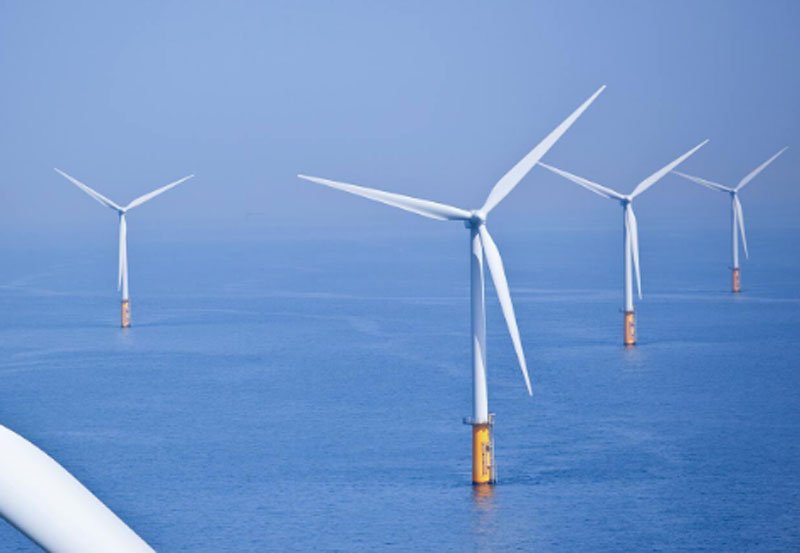
In a significant move towards bolstering its renewable energy sector, the Cabinet of Ministers has approved a proposal championed by the Minister of Power and Energy to expand the presence of large-scale renewable energy projects across the nation.
The decision signals a strategic push to tap into Sri Lanka's offshore wind potential, opening doors for private sector investments aimed at scaling up renewable energy production.
Criticism has surrounded previous efforts to attract renewable energy producers, with concerns raised about adherence to competitive bidding protocols. However, Cabinet Spokesperson Bandula Gunawardana has underscored that this latest initiative will prioritize transparency in execution, assuaging concerns and instilling confidence in the process.
The approval comes on the heels of a comprehensive feasibility study conducted by consultants from the World Bank, which identified the North, West, and South East regions of Sri Lanka as prime areas for large-scale offshore wind power plants. According to a World Bank report from August 2023, the island nation possesses the capacity for an estimated 56GW of offshore wind power. This includes 27GW of fixed offshore wind in shallow waters (less than 50 meters) and 29GW of floating offshore wind in deeper waters.
The significance of this clean energy capacity cannot be overstated. It stands to catalyze Sri Lanka's transition towards achieving net-zero carbon emissions, enhance energy supply security, and alleviate the economic strain caused by fossil fuel imports.
Aligned with global climate goals, the government has set ambitious targets, aiming to have 70 percent of its electricity generated from renewable energy sources by 2030, with the ultimate aim of achieving carbon neutrality in electricity generation by 2050. This commitment underscores Sri Lanka's determination to embrace sustainable energy solutions and chart a course towards a greener, more resilient future.