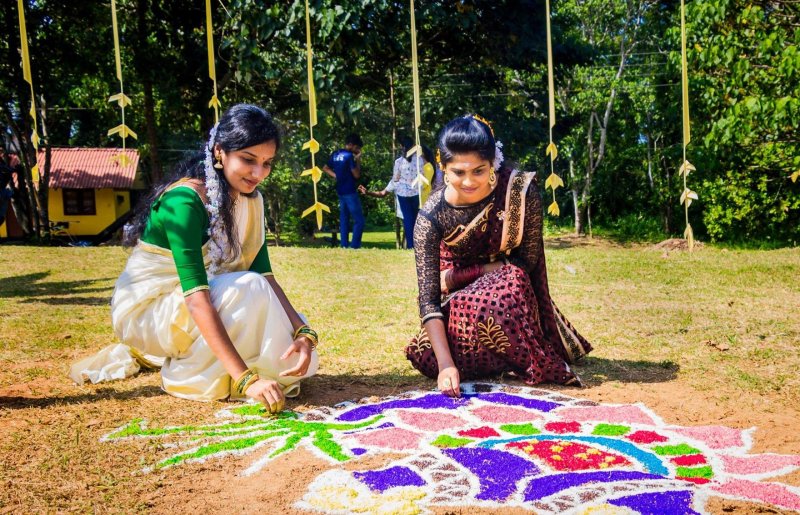
Pongal is one of the most significant festivals celebrated by Tamil communities worldwide, including in India, Malaysia, Sri Lanka, and other nations with a Tamil communities.
Hindu community will joyously celebrate its most cherished festival, the Pongal harvest festival.
A cherished tradition, the festival involves the preparation of the iconic sweet rice dish, Pongal, cooked in a traditional clay pot, symbolising gratitude to the Sun God (Surya Bhagavan) for a bountiful harvest.
Far from being a mere religious event, Pongal embodies a joyous celebration of the farmer's life, agriculture, and holds deep, hidden meanings.
Some of the main features of Pongal are thanking the Sun God Surya, the forces of nature, animals and people who support agriculture. The history of the Pongal dish in a festive and religious context can be traced to at least the Chola period. It appears in numerous early texts and inscriptions with varied spellings. It appears as ponakam, tiruponakam, ponkal and other similar names.
The festival's central day is Thai Pongal on Monday , dedicated to the Sun God. Families rise early to prepare the special dish 'Pongal.' As the rice boils and overflows from the pot, the air is filled with cheers of 'Ponggalo Pongal,' symbolising abundance and prosperity.
In Tamil Nadu, India, Pongal reflects the state's agricultural heritage and cultural identity, underscoring the deep connection between the Tamils and the land they cultivate.