Annie Nightingale, BBC Radio's first woman DJ, dies aged 83
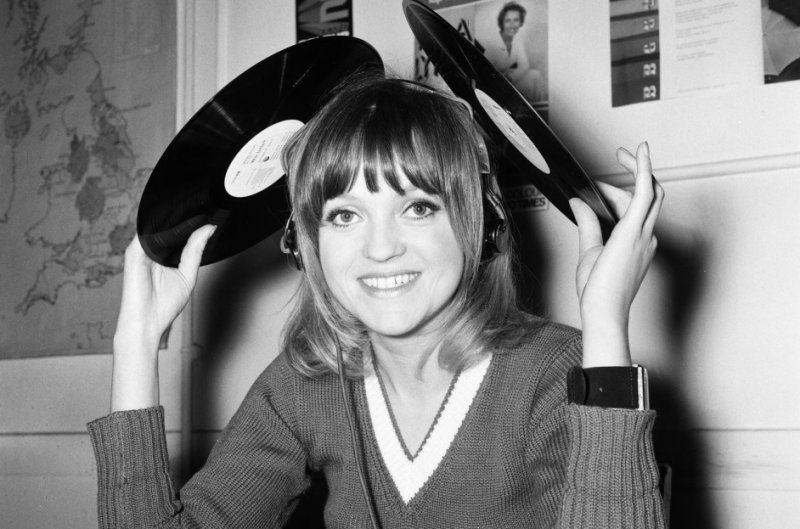
Annie Nightingale, the first female presenter on BBC Radio 1 and the station’s longest-serving DJ, has died aged 83, the BBC has confirmed.
Her family said that she died on 11 January at home in London following a short illness. In a statement they described her as a “pioneer, trailblazer and inspiration to many. Her impulse to share that enthusiasm with audiences remained undimmed after six decades of broadcasting on BBC TV and radio globally.
Never underestimate the role model she became. Breaking down doors by refusing to bow down to sexual prejudice and male fear gave encouragement to generations of young women who, like Annie, only wanted to tell you about an amazing tune they had just heard.
“Watching Annie do this on television in the 1970s, most famously as a presenter on the BBC music show The Old Grey Whistle Test, or hearing her play the latest breakbeat techno on Radio 1 is testimony to someone who never stopped believing in the magic of rock’n’roll.”
Nightingale joined Radio 1 in 1970 and never left, and holds the world record for having the longest career as a female radio presenter. Her programme Annie Nightingale Presents featured the famed dance music fan’s “biggest bass bangers”: her most recent show, broadcast on 9 January, featured songs by Deadmau5 and remixes of songs by AJ Tracey and Jorja Smith and US rapper Ice Spice.
BBC director general Tim Davie called Nightingale “a uniquely gifted broadcaster who blessed us with her love of music and passion for journalism, for over 50 years. As well as being a trailblazer for new music, she was a champion for female broadcasters, supporting and encouraging other women to enter the industry.”
BBC Radio 1 head Aled Haydn Jones said that the station was “devastated” to lose Nightingale. “Annie was a world class DJ, broadcaster and journalist, and throughout her entire career was a champion of new music and new artists,” he said. “She was the first female DJ on Radio 1 and over her 50 years on the station was a pioneer for women in the industry and in dance music. We have lost a broadcasting legend and, thanks to Annie, things will never be the same.”
Breakfast show presenter Greg James paid tribute on X: “It was such a treat if you happened to be in the building at the same time as her. She was always so interested in what everyone else was up to.” BBC Radio 2 host Zoe Ball said that Nightingale “could outlast any of us at the party”.
Annie Mac, who held a long stint at Radio 1, wrote on Instagram: “She smashed through all the sexist stereotypes of what kind of broadcaster a woman should be. And she didn’t stop. She kept going, her very existence as an older woman playing underground music on Radio 1 was subversive.”
Nightingale was born in Middlesex on 1 April 1940. She started her career working in television and newspapers, and became the host of the 1960s TV pop show That’s for Me. She continued working in television while running a chain of fashion shops and modelling. In the late 1960s, inspired by the advent of pop pirate radio, she lobbied for a job on the BBC’s nascent Radio 1, which at the time had banned female presenters. “When the pirates and then Radio 1 came along, I was very keen to get involved,” she told NME in 1978. “I seemed to find that broadcasting came easy – certainly easier than writing. But nobody wanted to know.” By 1970 she was successful – thanks in part to support from the Beatles’ press officer Derek Taylor – and a trial run led to an afternoon presenting job.
She was the only female DJ at the station for 12 years, until Janice Long joined in 1982. By that time Nightingale had transferred to an evening slot, which gave her greater freedom over the style of music she played. “From day one, I chose the records I wanted to play, and stuck to it ever since,” she wrote in her 2020 memoir, Hey Hi Hello: Five Decades of Pop Culture From Britain’s First Female DJ. “I wasn’t there for the ‘exposure’. I preferred the evenings, where I wouldn’t have to introduce playlist tunes I didn’t like. That would have been like lying to me.”
Nightingale had two children, Alex and Lucy, with her first husband, writer Gordon Thomas, whom she had divorced by 1970. A second marriage, to actor Binky Baker in the late 70s, also ended in divorce.
BBC