The Cabinet Sub-Committee appointed to investigate the issues plaguing Sri Lanka Cricket has released its comprehensive report, outlining a series of recommendations to restore the national cricketing setup.
The Sub-Committee, led by Foreign Minister Ali Sabry submitted its report to President Ranil Wickremesinghe on January 1 this year. The report is said to have been compiled against the backdrop of the current crisis, taking into account opinions and recommendations from various key entities.
The Committee called for a significant restructuring of the Sri Lanka Cricket Board's administration to enhance transparency, accountability, and to prevent misuse of public funds.
The committee, in its findings, highlighted a divergence in perspectives regarding SLC's autonomy. While SLC argued for minimal regulatory intervention, other stakeholders contended that, given its national importance, SLC should not be treated as a private organization.
The report firmly asserted that the ownership of SLC belongs to the citizens of Sri Lanka, and therefore, transparency and oversight are paramount.
The report recommends revisiting the constitution and composition of SLC to eliminate undue advantages for specific groups. A new law is proposed to facilitate the inclusion of eminent and competent individuals in SLC's administration.
The existing constitutional structure, allowing clubs with significant voting power to decide the Executive Committee, is discouraged. The report suggests introducing a new constitution aligned with international standards after consulting stakeholders.
The committee reviewed a draft law, proposing an Executive Committee with 18 members, including 10 elected by stakeholders and 8 appointed based on their qualifications. Three of the appointed members should be former Sri Lankan cricket players in ICC-sanctioned matches.
To prevent a prolonged influence by specific individuals or groups, the report recommends limits on key positions like President, Secretary, and Treasurer to a maximum of two 2-year terms, and any position in the Executive Committee to a maximum aggregate length of 8 years.
A clear timeframe for introducing the new law and holding elections in compliance with it is recommended. If the current administration is uncooperative, the report suggests establishing an interim committee with defined timelines to oversee the reconstruction of SLC.
In the report, the Auditor General emphasized that SLC's capital is the goodwill of Sri Lanka in cricket. He advocated for standard rules and regulations to ensure transparency and accountability in administering public funds. A transparent procurement guideline is proposed to uphold good governance.
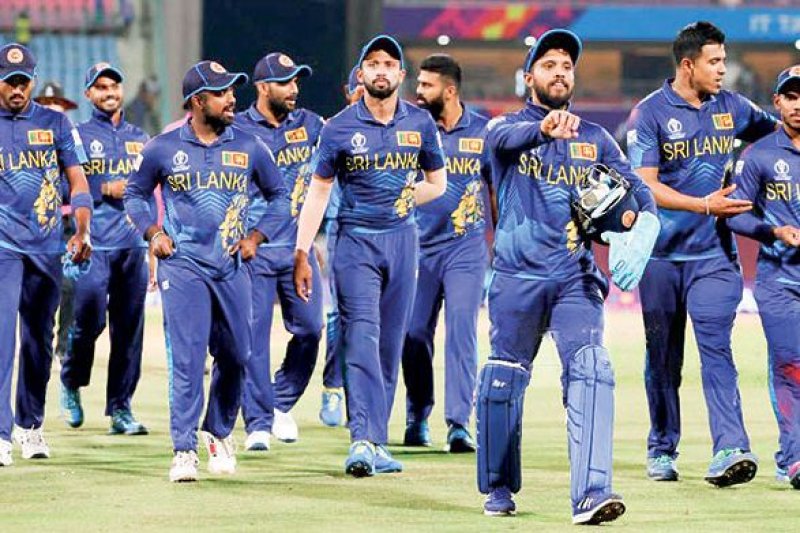
Meanwhile, the committee's report shed light on various concerns raised by the Sri Lanka Cricket Team, highlighting significant gaps in player management, coaching, and overall administration. The key findings included dissatisfaction among players regarding coaching staff, inadequate attention to skills training, and a lack of proper nutrition and psychological support.
The committee emphasized the need for competent technocrats, urging that recruitments be made solely on merit without any room for favoritism.
The committee proposed formalizing the Technical Advisory Committee, consisting of former international cricketers, to advise on cricket-related decision-making.
The report recommended the separation of general administration and cricket-related matters, introducing a Chief Executive Officer (CEO) for administrative affairs and a Director-Cricket for cricket-related activities. A four-year plan, drafted by the Technical Advisory Committee in collaboration with stakeholders, was proposed for approval by the Executive Committee.
Coaches and support staff should be chosen based on current strategic competitive necessities and international standards. The report stressed the ongoing development of cricket abilities and monitoring of players, incorporating technological advances and data analytics.
Stringent fitness requirements similar to top cricketing nations should be introduced and strictly adhered to, free from external pressures.
Mental conditioning, psychological support, and match-play simulations must be prioritized. General and Social Media Codes of Conduct should be introduced and strictly enforced.
Language development for English interviews and the provision of interpreters to bridge communication gaps with foreign coaches were recommended while regular meetings and review sessions with athletes and support staff to evaluate progress were suggested. The establishment of a specialized team for psychological counseling, medical administration, nutritional requirements, and other needs of cricketers was also recommended in the report. The Committee recommended the implementation of a disciplinary code and its strict implementation, free from fear, favour, or being subject to internal or external pressure, including organized media campaigns.
The committee, appointed in November 2023, had a specific mandate to assess the current state of affairs in SLC, collaborating with stakeholders and seeking input from esteemed former cricketers.
The primary goal of this sub-committee was to propose immediate and practical measures to address the existing challenges in Sri Lanka Cricket.